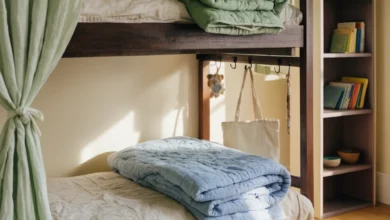

Pinterest boards for baby girl nurseries start filling up months before the due date, and 2027 is bringing a fresh mix of soft color, vintage character, and playful wall art into these small rooms. American parents are drawn to spaces that feel personal rather than showroom-perfect, mixing hand-picked vintage finds with modern comfort. This roundup gathers twenty nursery looks, from floral wallpaper moments to quiet neutral corners, so you can pin the ones that match your own home. Each idea here is meant to be copied, adapted, and made completely your own.
1. Vintage Floral Wallpaper Charm
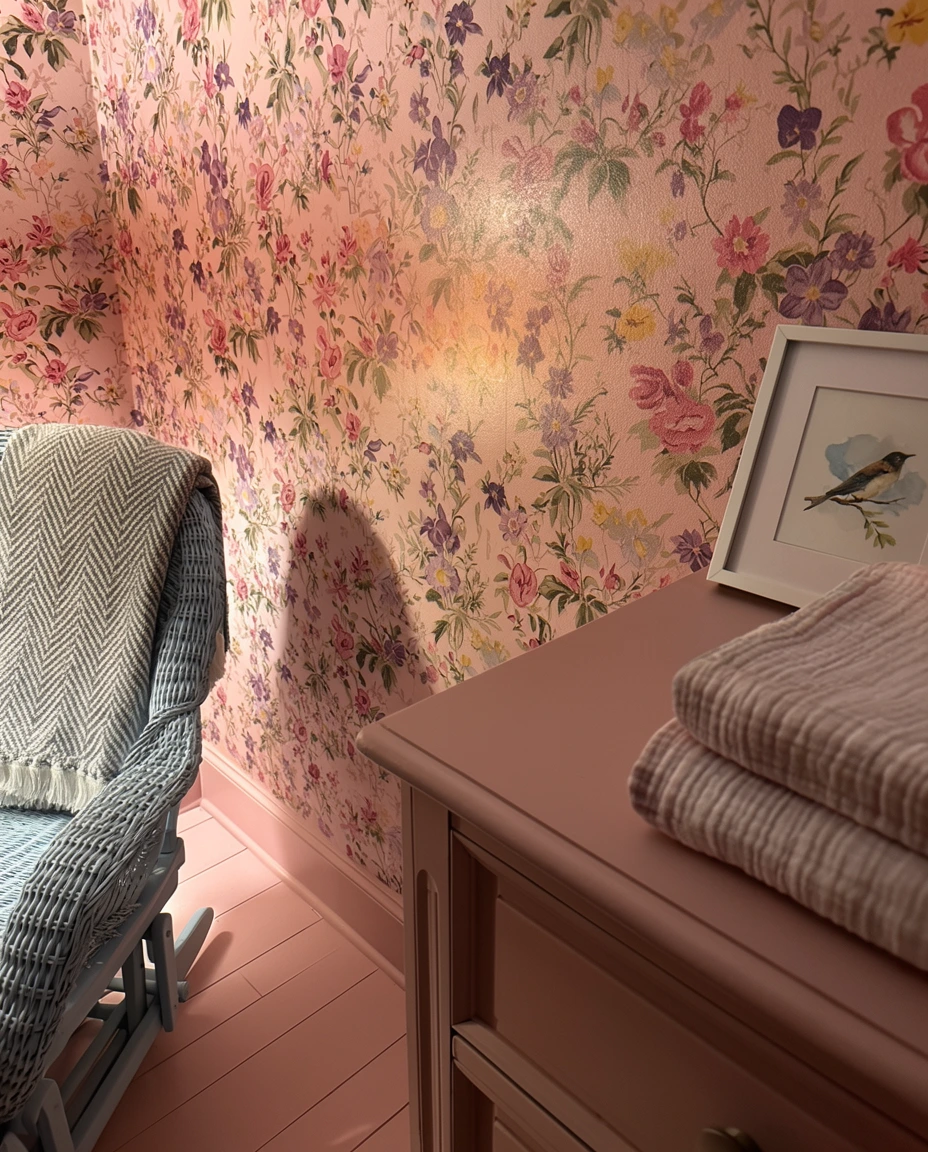
A vintage feel is having a real moment in nursery design, and one of the prettiest ways to bring it in is with a floral wallpaper panel hung behind the crib. Think small-scale blooms in muted, dusty colors rather than bold modern prints, the sort you might spot in an old farmhouse guest room passed down through generations. It works beautifully as a single feature wall, leaving the rest of the space simple so the pattern gets to shine without overwhelming a small room.

If committing to a full wall feels like a big step, a peel-and-stick version of the same pattern lets you test the look without calling in a professional installer, and it comes down just as easily if your style shifts down the road. Pair the paper with painted trim in a shade pulled from the print itself, whether that’s a soft rose or a muted green, so the whole wall reads as one intentional design rather than paper stuck onto plain walls.
2. A Boho Nursery Corner
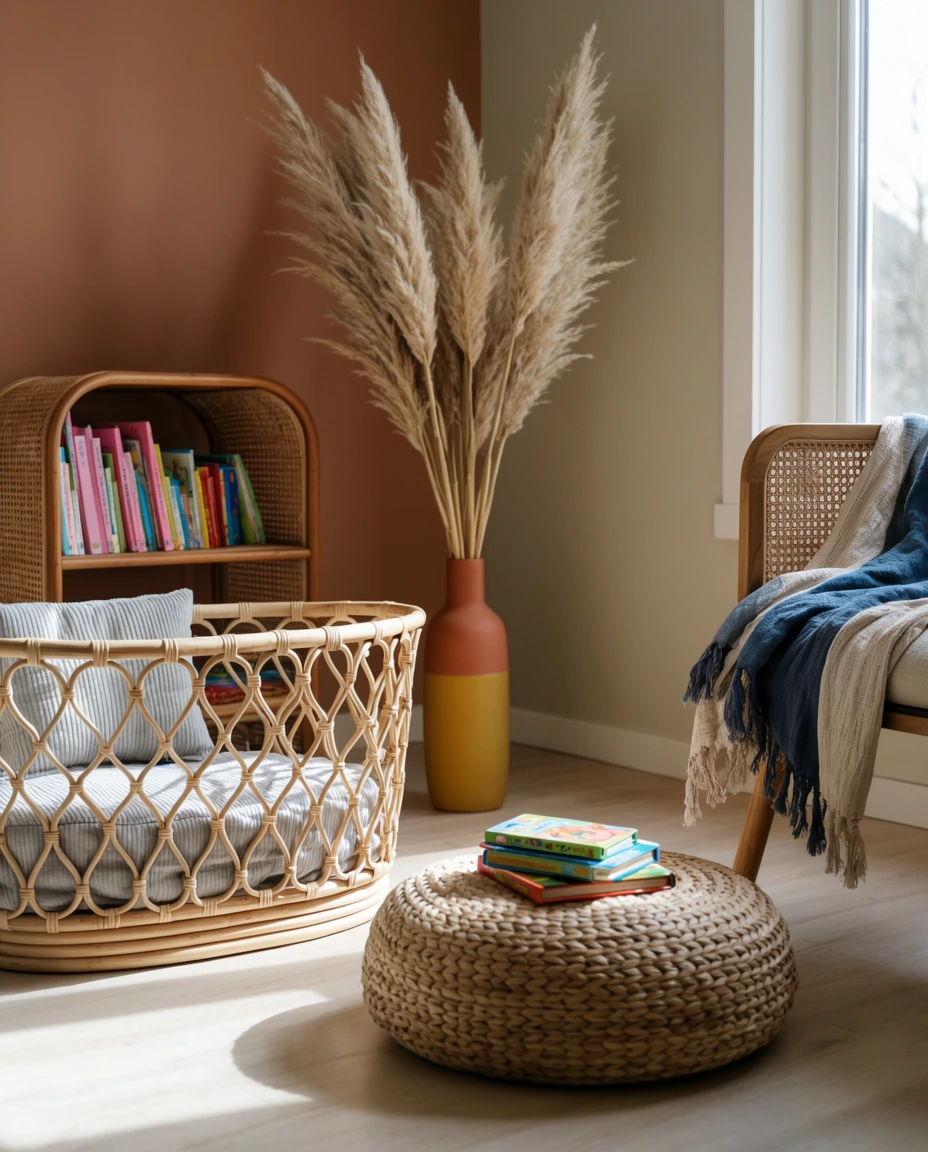
A boho nursery corner leans into texture over pattern, layering a woven wall hanging, a jute rug, and a rattan bassinet for warmth that feels collected rather than store-bought. This approach suits an American home with an eclectic mix of furniture already, since the decor doesn’t need to match anything else in the house. A simple gallery of macrame and dried florals on the wall above the changing table keeps the corner soft, earthy, and easy to update as your girl grows.

This look tends to show up most in homes across the Southwest and coastal California, where natural fibers and sun-washed tones already run through the rest of the house, but it translates just as well to a city apartment nursery that wants warmth without much clutter. Because most of the pieces are lightweight and secondhand-friendly, it’s an easy corner to build slowly, picking up a woven basket here and a vintage stool there over a few weekends instead of furnishing it all in one trip.
3. Soft Sage and Garden Greens
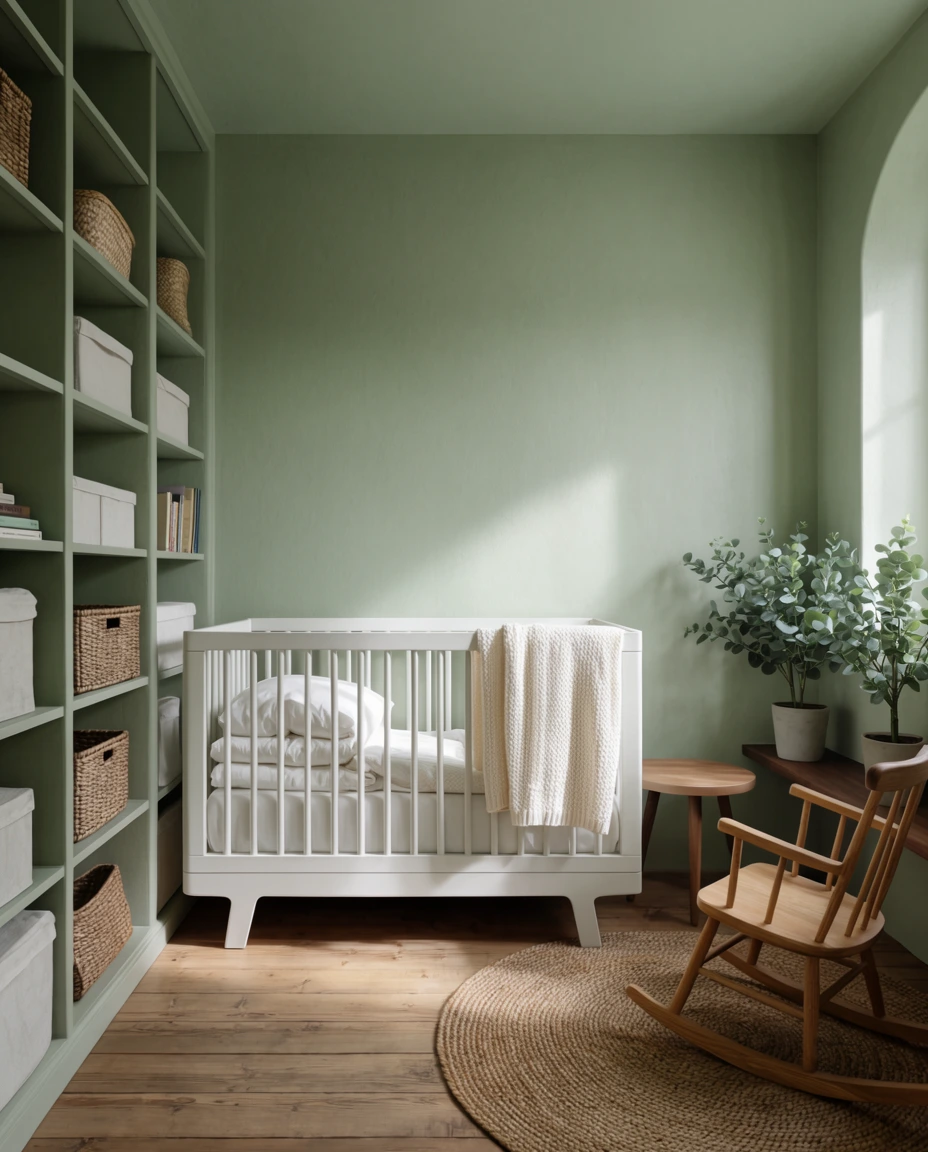
Sage green has become the go-to alternative to traditional pastels, pairing a soft, neutral backdrop with the same calm, grown-up feel as a garden in early spring. Painted on all four walls or used just behind the crib, it reads as gender-neutral and timeless, which makes it a favorite for families who plan to reuse the room for a future sibling. Cream trim and natural wood furniture keep the palette from feeling cold or clinical.

One mom in Ohio painted her daughter’s room this shade after weeks of debating pink versus something more lasting, and she says she still loves how the color shifts through the day, warm in morning light and cooler by evening. The tone also hides small scuffs and fingerprints far better than white walls do, which matters once a toddler starts leaning on furniture and reaching for the walls during those early exploring months at home.
4. Pink Petals in Full Bloom
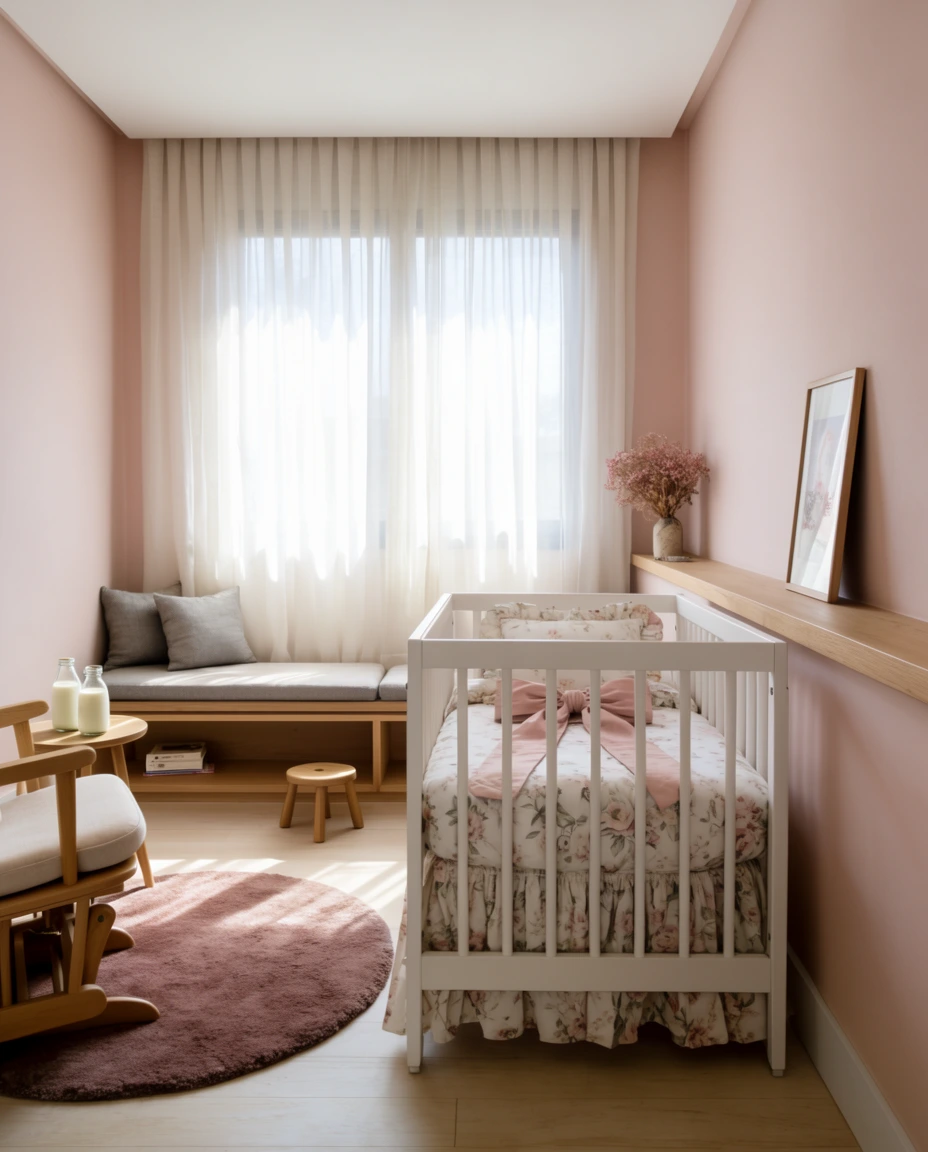
A pink nursery doesn’t have to mean one flat shade covering every wall. Layering a few dusty rose and blush tones with a floral print on bedding or curtains gives the room depth, while keeping the overall mood soft and whimsical rather than saccharine. This works especially well in a room with plenty of natural light, since the petals seem to glow rather than compete with the space around them.
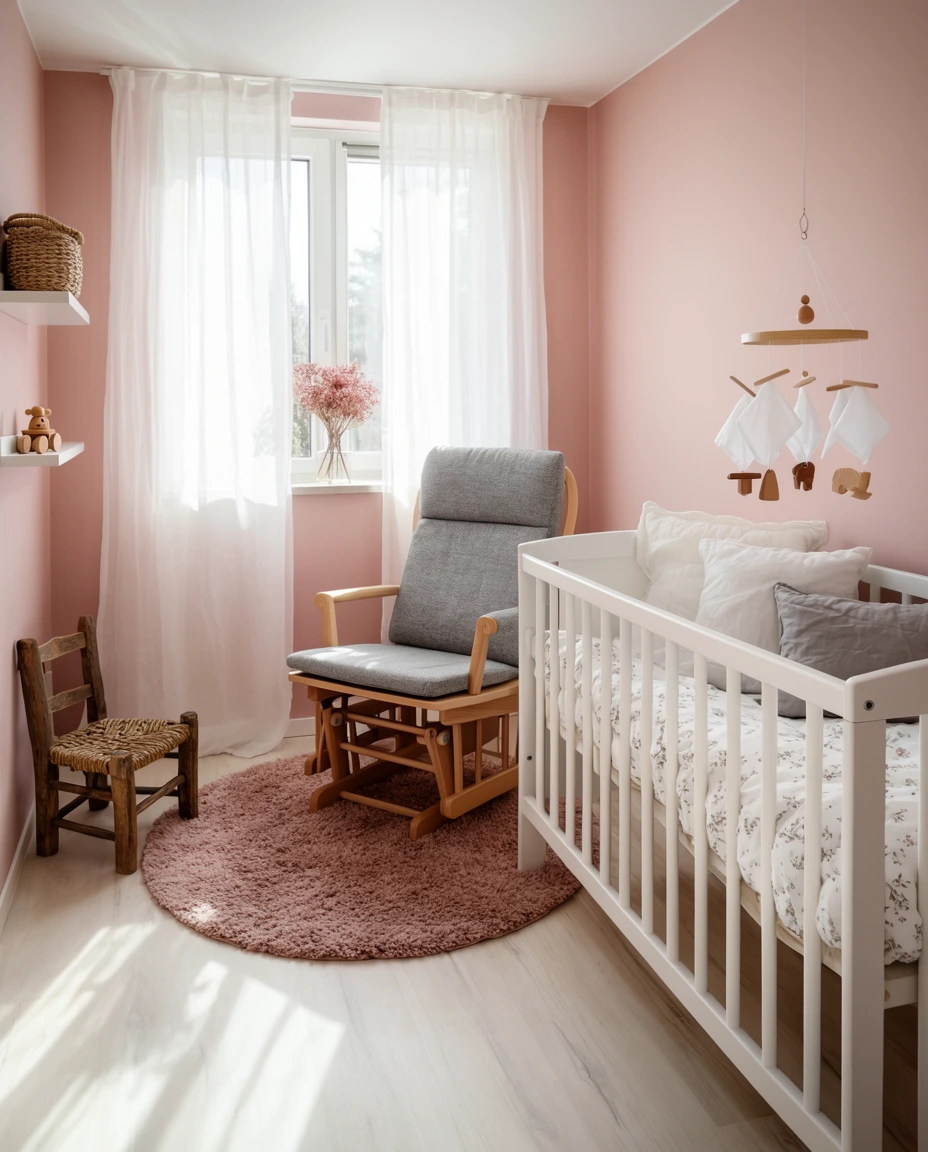
This layered pink palette works best in a room that gets morning sun, since the warm light brings out the blush undertones without making the space feel too saturated by afternoon. It also suits a nursery that will eventually become a big-girl room, because the floral accents can stay while the deeper pinks fade into a single accent wall or a set of curtains as she grows older and her taste changes.
5. Neutral Tones for Quiet Calm

For parents who want something calmer than a full pink theme, a neutral palette of oatmeal, cream, and warm gray creates a nursery that feels restful from the first nap. This non pink approach still reads as feminine through soft textures and rounded furniture shapes rather than color alone, and it holds up well in a small room where too many competing tones can make the space feel busy.
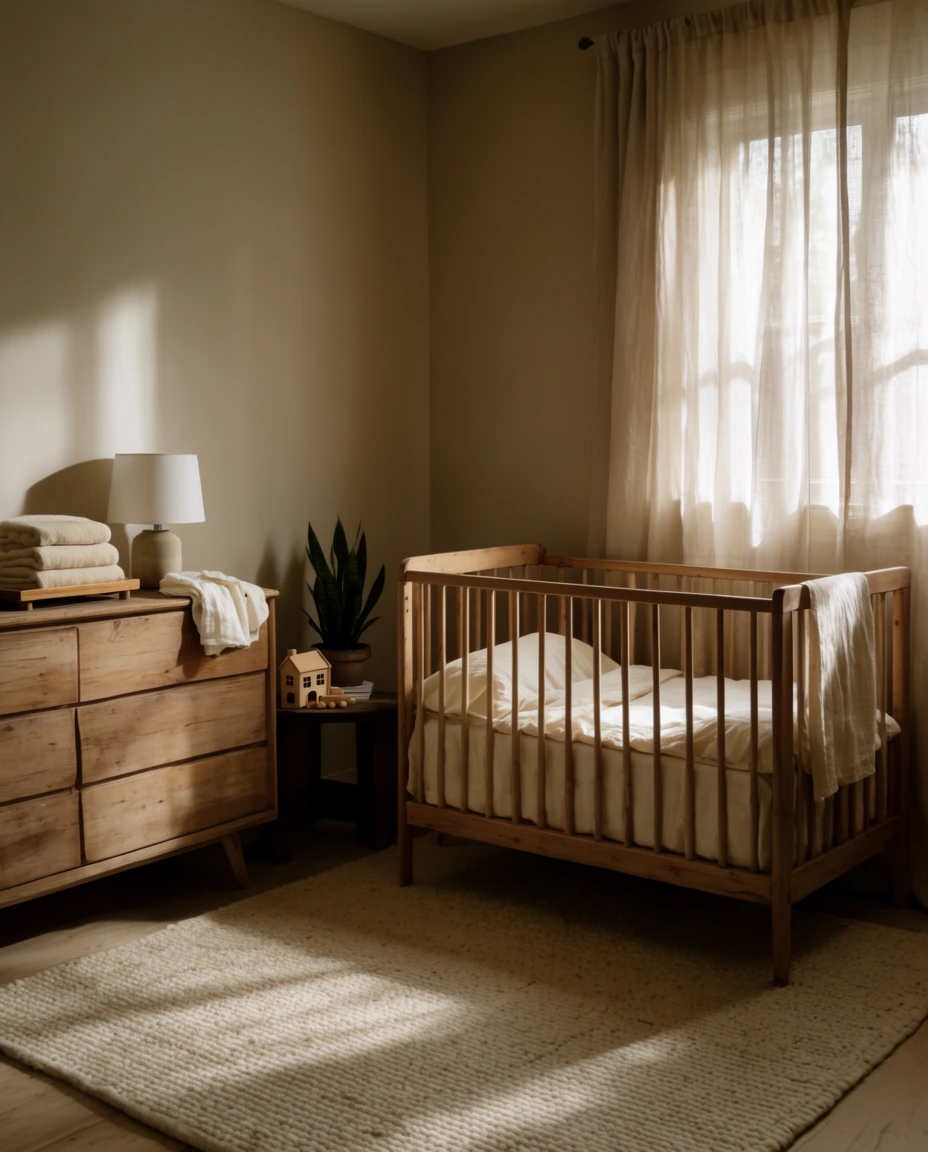
Interior designers often point to neutral nurseries as the easiest to keep looking finished, since the base palette rarely clashes with new toys, books, or artwork as they accumulate over the first year of parenthood. A neutral room also photographs beautifully in almost any light, morning or evening, which is part of why so many of these calm little spaces end up saved and shared long after the nursery stage has come and gone.
6. Whimsical Woodland Retreat

A whimsical woodland nursery brings the outdoors in through soft illustrations of foxes, deer, and owls rather than anything too literal or cartoonish. A hand-painted mural or a printed wall covering along one side of the crib sets the scene, while the rest of the room stays simple in cream and warm wood tones so the forest characters remain the clear focal point of an otherwise calm little space.

A full mural from a professional muralist can run into the thousands, but a large removable wallpaper panel gives nearly the same storybook effect for a few hundred dollars and can be taken down cleanly when the toddler years arrive. Many parents start with just one animal print in a simple frame, then build the woodland theme slowly through pillows, a mobile, and a soft rug rather than committing to the whole look at once.
7. Cottage Style for Little Nurseries
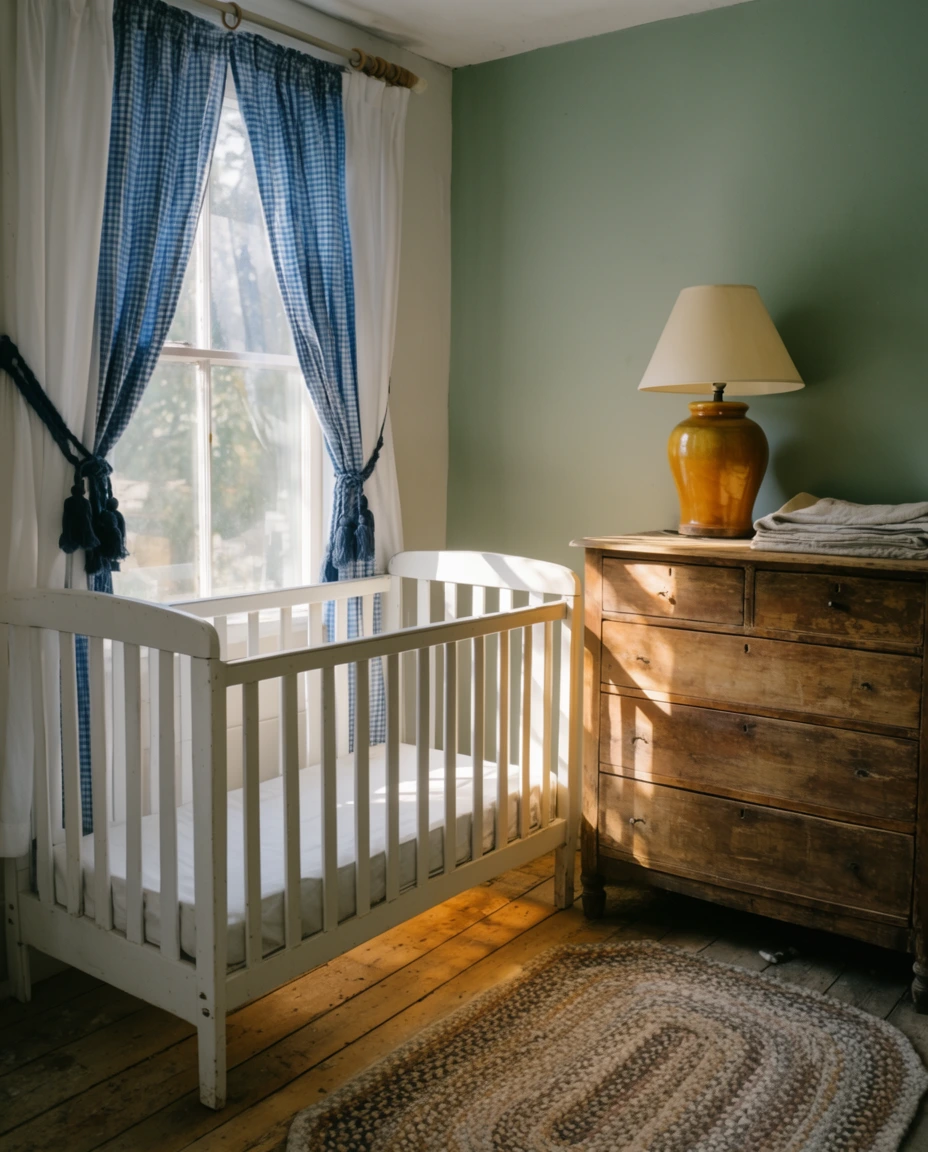
Cottage style brings a lived-in warmth to even the tiniest room, mixing gingham or ticking stripe fabrics with a simple painted crib and a few pieces of vintage furniture. It’s an especially good fit for a small nursery, since the look leans on charm and layering rather than large statement pieces. A window box or a garden-inspired print brings a bit of the outdoors in, softening the whole room without adding real square footage.
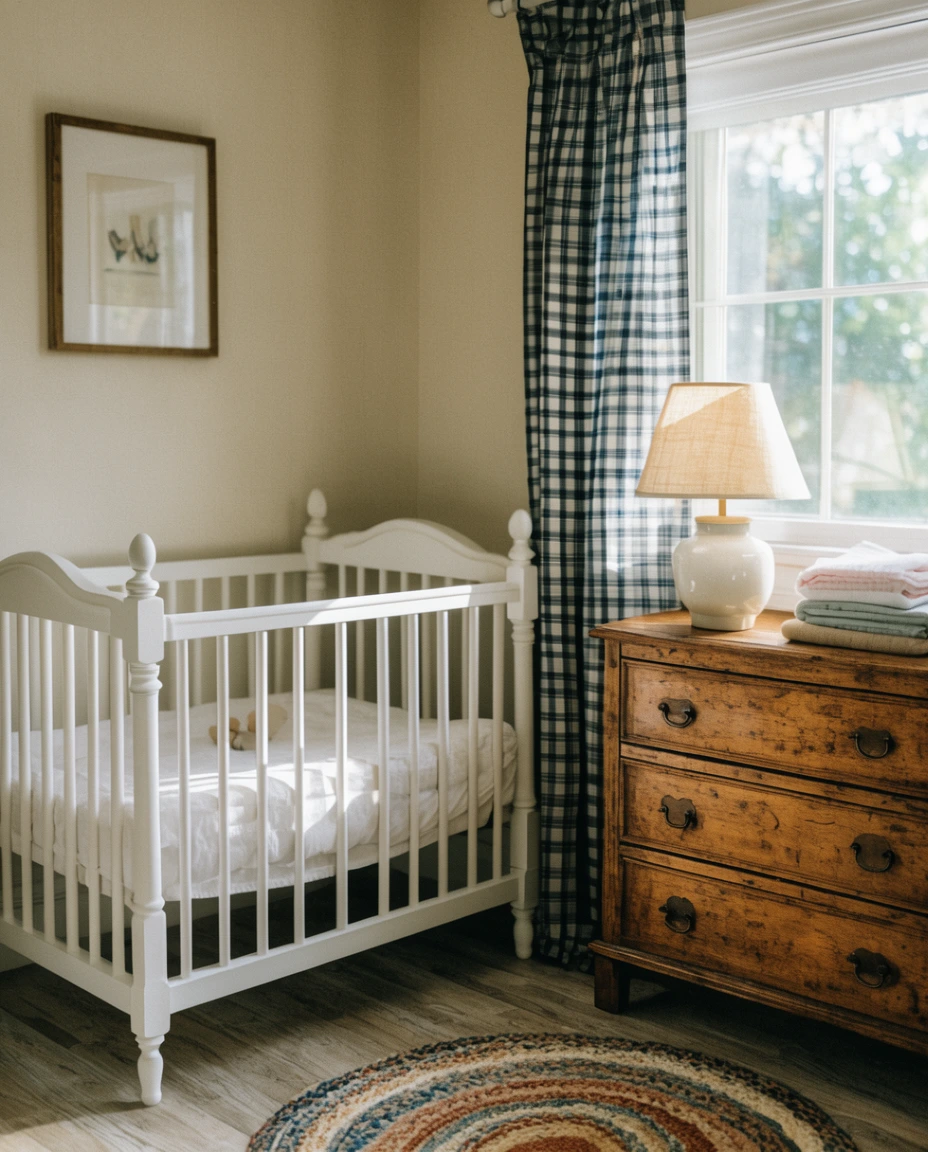
Parents furnishing a cottage-style nursery tend to shop slowly, picking up a painted dresser at an estate sale one month and a set of gingham curtains the next, rather than ordering a matching set all at once. That patchwork approach is part of what makes the style work, since a too-perfect cottage room can start to feel like a showroom instead of a home that a family actually lives in every day.
8. Bunny Motifs Take Over

A bunny motif is one of the gentlest ways to bring a bit of animal charm into a nursery without going full woodland theme. A few soft bunny prints on a crib sheet, a framed illustration, or a hand-stitched wall hanging keep the look whimsical and sweet rather than overly themed, and the motif works just as well in a modern room as it does in a more traditional one.
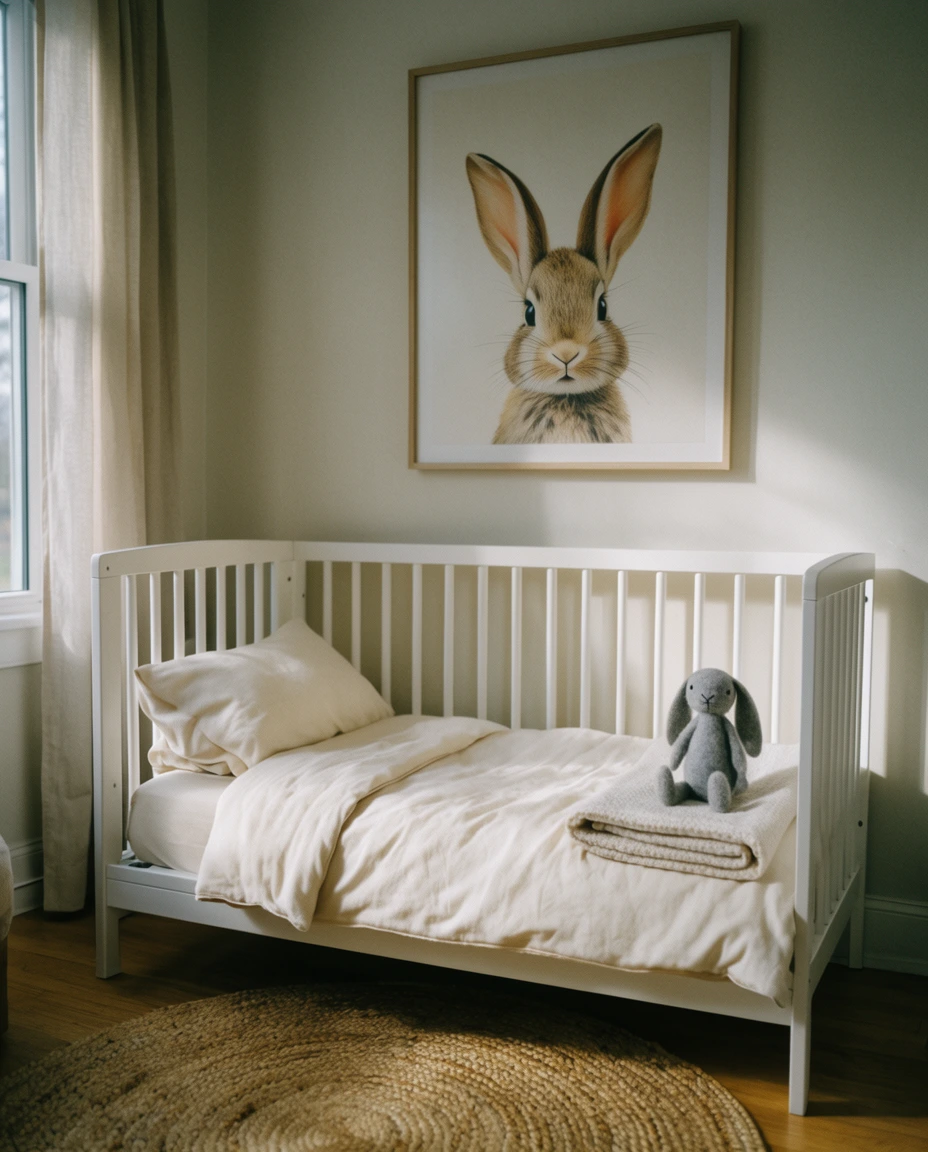
A common misstep is scattering bunny prints across every surface until the room feels more like a costume shop than a nursery, so it helps to pick one or two strong pieces, maybe a large art print and a soft toy, and let the rest of the room stay simple. Keeping the surrounding palette calm lets the bunny detail feel like a charming accent instead of the entire design plan.
9. Elephant Parade Wall Art

A row of elephant illustrations marching across the wall above the crib is a classic nursery motif that still feels fresh when the color palette stays neutral. Soft gray, blush, and cream elephants in a simple line print read as gender-flexible and calm, working well whether the rest of the room leans modern or more traditional. It’s an easy focal point that doesn’t require painting or wallpapering the whole space.
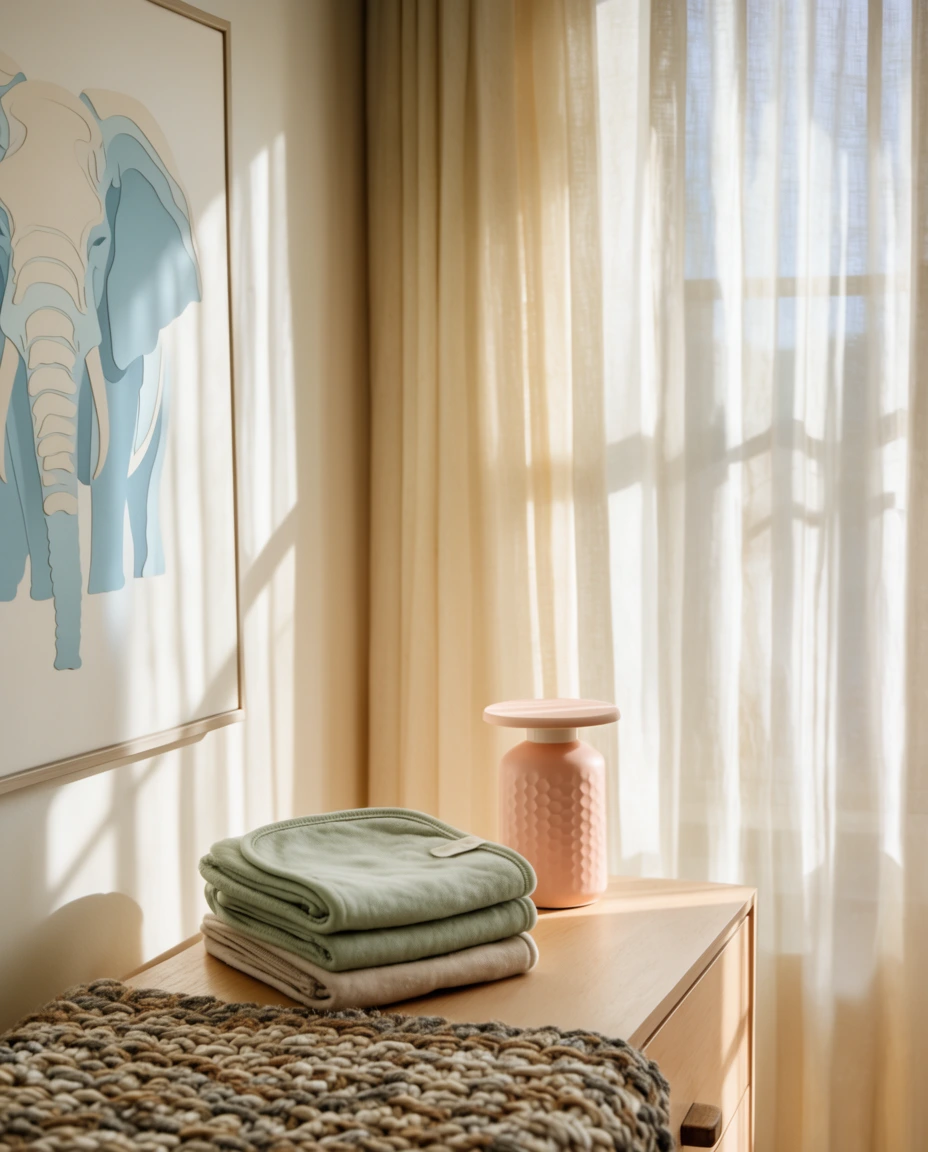
Hanging a set of three or five prints in graduated sizes, rather than one large piece, makes it simple to adjust the arrangement later if the crib moves or the whole room gets rearranged for a toddler bed down the line. Choosing frames in a single finish, even if the prints themselves come from different sources, keeps the parade looking pulled together instead of like a random collection of mismatched art pieces.
10. Princess Dreams in Soft Pastels

A princess theme doesn’t need tiaras and castles on every wall to feel special. Soft pink and lavender bedding, a canopy over the crib, and delicate trim details borrow the fairy-tale feeling without tipping into full costume territory. Among nursery themes, this one ages particularly well, since the canopy and color palette can stay through the toddler years long after any storybook characters would have been outgrown.

A family in North Carolina hung a simple sheer canopy over their daughter’s crib as the one princess touch in an otherwise plain room, and photos of that single detail ended up being the most saved image from her entire nursery reveal. Sometimes one dreamy element does more work than a room full of themed accessories, letting the rest of the space stay calm and easy to live in.
11. Big Style for a Small Space

A small nursery doesn’t have to skip on personality. Choosing one bold moment, like a patterned rug or a single statement light fixture, against mostly neutral walls lets the room feel styled without adding visual clutter. Wall-mounted storage, a slim glider, and a compact changing station free up floor space, so the decor gets to do the talking instead of oversized furniture eating into an already tight room.

This approach works best in city apartments and older homes where the nursery started out as an office or a guest room rather than a dedicated kids’ space. Keeping the furniture list short from the start, just a crib, a dresser that doubles as a changing table, and one comfortable chair, means there’s room to add décor touches later without ever feeling like the space is overcrowded or hard to move through.
12. A Gallery Wall Over the Crib

A gallery wall arranged above the crib turns an empty stretch of drywall into the most personal part of the room. Mixing a few botanical prints, a name sign, and one small pink watercolor piece gives the display real variety without looking cluttered, and it’s an easy, affordable way to bring in sentimental items like a grandmother’s needlepoint or a hand-me-down frame passed down through the family for years.
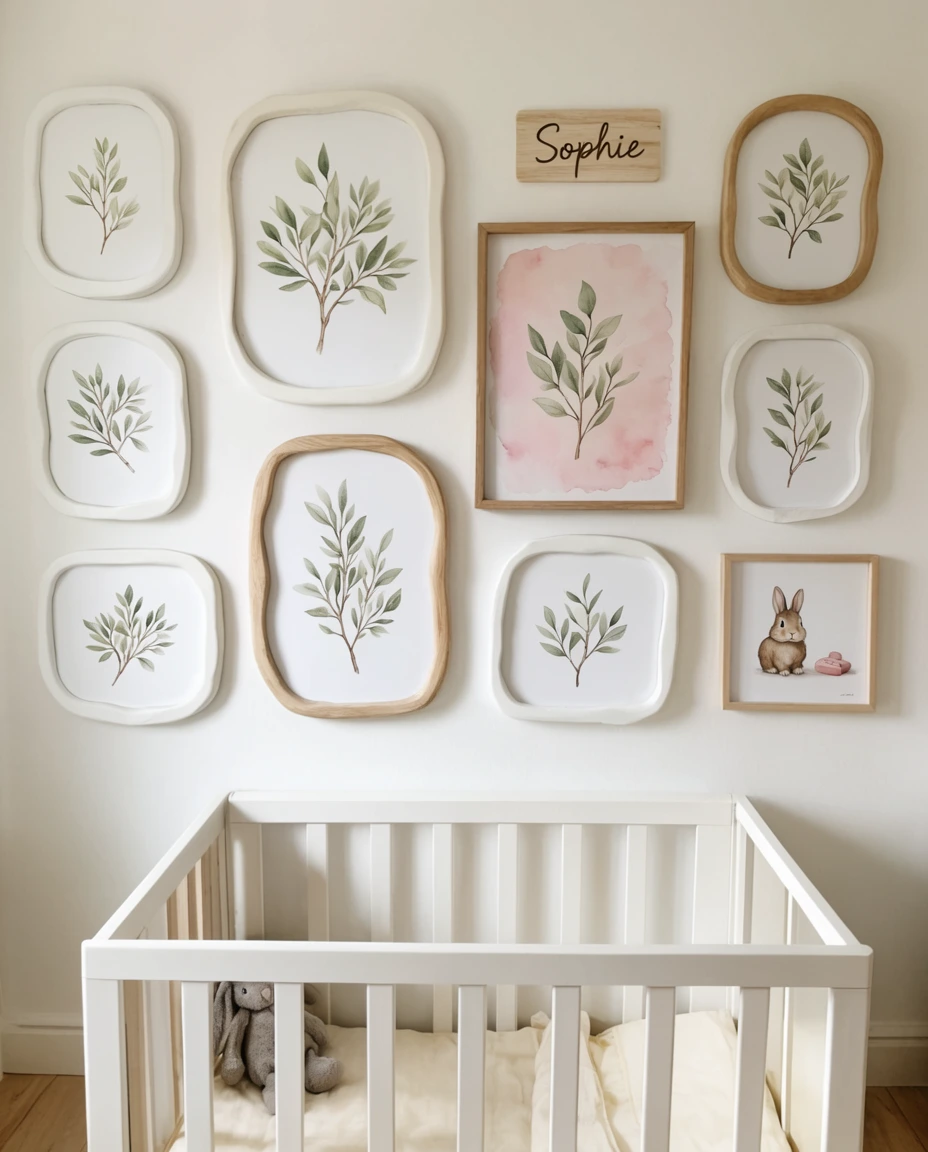
Most parents build this wall in stages, hanging one or two pieces before the baby arrives and adding more once the room is actually lived in, since it’s hard to know exactly how everything will look until the crib and dresser are both in place. Using removable hanging strips instead of nails also means the whole arrangement can shift around easily as new art comes in over the years ahead.
13. Non Pink Palette With Warmth
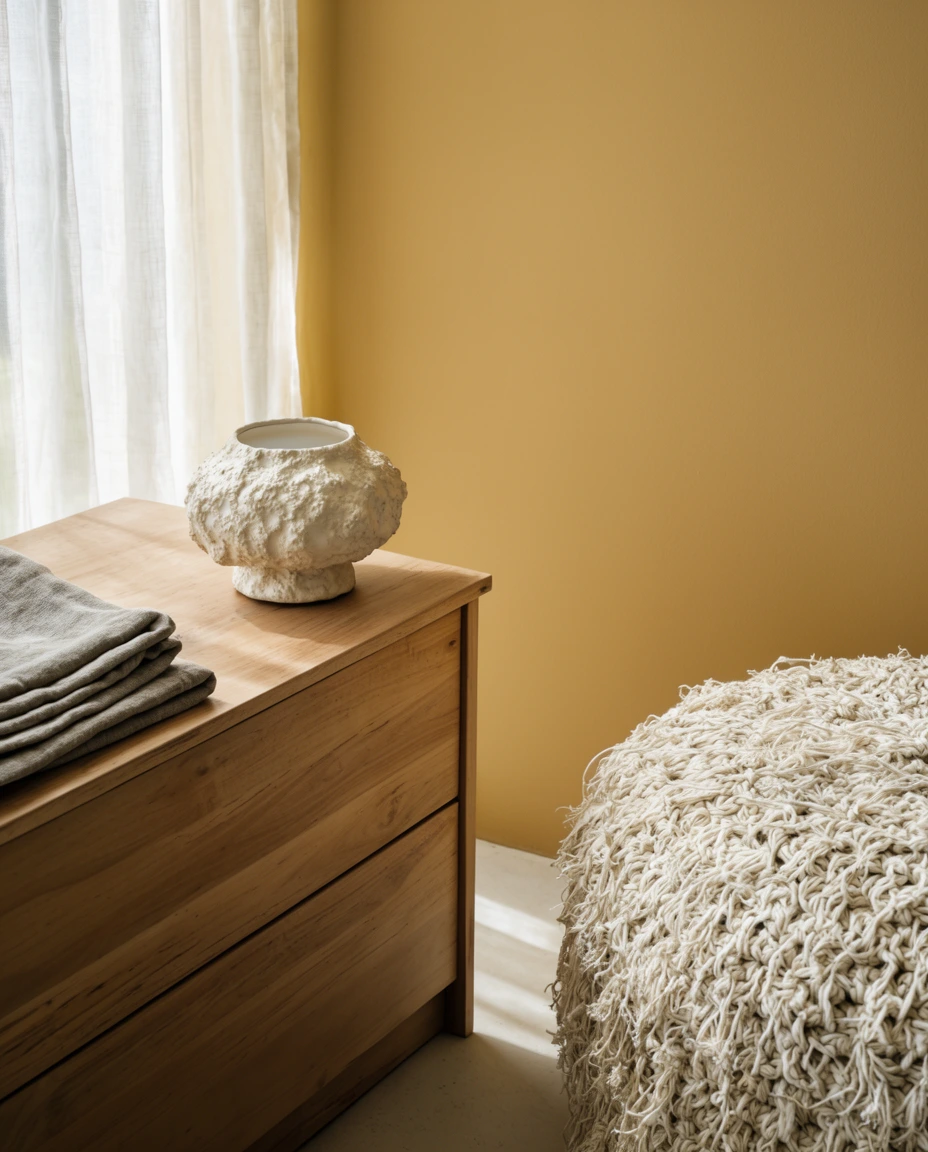
A non pink nursery doesn’t mean giving up warmth or softness, it just moves the color story toward terracotta, mustard, or warm neutral tones instead of the expected pastels. This palette tends to suit parents who want decor that feels a little more grown-up and gender-flexible from day one, mixing in natural wood and woven textures without losing any of the coziness a baby’s room calls for.

This warmer, non pink direction has picked up steam in the Southwest and Mountain West, where adobe walls and sun-baked colors already set the tone for the rest of the house, but it works just as well layered into a Northeastern colonial or a Pacific Northwest bungalow. Because the palette skews earthy rather than pastel, most of the furniture and textiles can carry straight over into a toddler room later on.
14. Garden Party Nursery Theme

Among the prettiest nursery themes for the year, a garden party look brings in scalloped edges, ribbon trim, and a light floral print that feels more like an afternoon tea than a typical baby room. Pastel greens and soft yellows keep the palette airy, while a few real or faux potted plants on the windowsill and a woven basket of toys near the glider tie the whole look together in a way that feels fresh rather than fussy.

Designers who specialize in nursery spaces often describe the garden party look as one of the few themes that transitions smoothly into a big-girl room, since the scalloped trim and botanical prints read as classic rather than strictly baby-specific. Swapping the crib for a twin bed a few years down the road usually means changing very little else in the room, which makes the initial investment feel worthwhile over time.
15. Storybook Themes for Little Ones

Storybook-inspired nurseries borrow from favorite princess tales and classic children’s illustrations without turning the whole room into a cartoon set. A whimsical mix of a soft canopy, a rug shaped like a cloud, and a few framed pages from a beloved book keeps the theme gentle and grown-up enough to last, and the approach scales down nicely for a small room where a full themed set would feel like far too much.

Building this theme doesn’t require a big budget, since framed book pages can come from a secondhand copy of a favorite story, and a simple canopy kit typically costs less than a single piece of themed furniture from a big-box store. Spending the bulk of the budget on one quality piece, like a comfortable glider, tends to feel more worthwhile than spreading it thin across a dozen small, forgettable themed accessories.
16. Layered Textures Without the Fuss

A textured approach swaps busy patterns for tactile decor: a grasscloth or subtly striped wallpaper, a chunky knit throw, and a fluffy rug layered over a neutral base color. The result feels rich and considered without a single loud print anywhere in the room, which makes it especially forgiving as the baby’s own preferences and the room’s everyday use both start to change over the first few years.
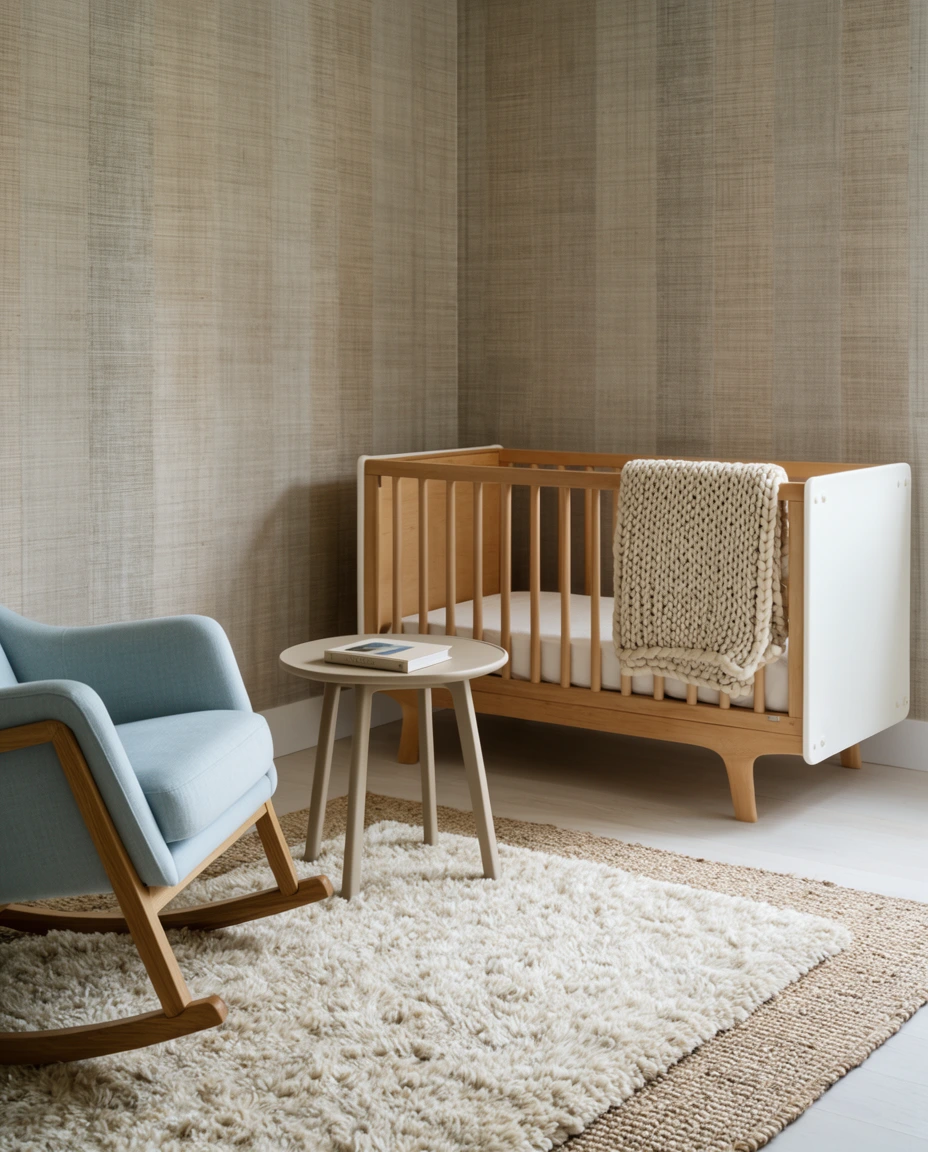
A frequent misstep with texture-heavy rooms is piling on so many different materials that the space starts to feel busy in a different way than a bold pattern ever would, so it helps to limit the palette to two or three textures total and repeat them in a few spots rather than introducing something new in every single corner. That bit of restraint is what keeps a layered room feeling calm instead of cluttered.
17. Crib Styling for Sweet Dreams
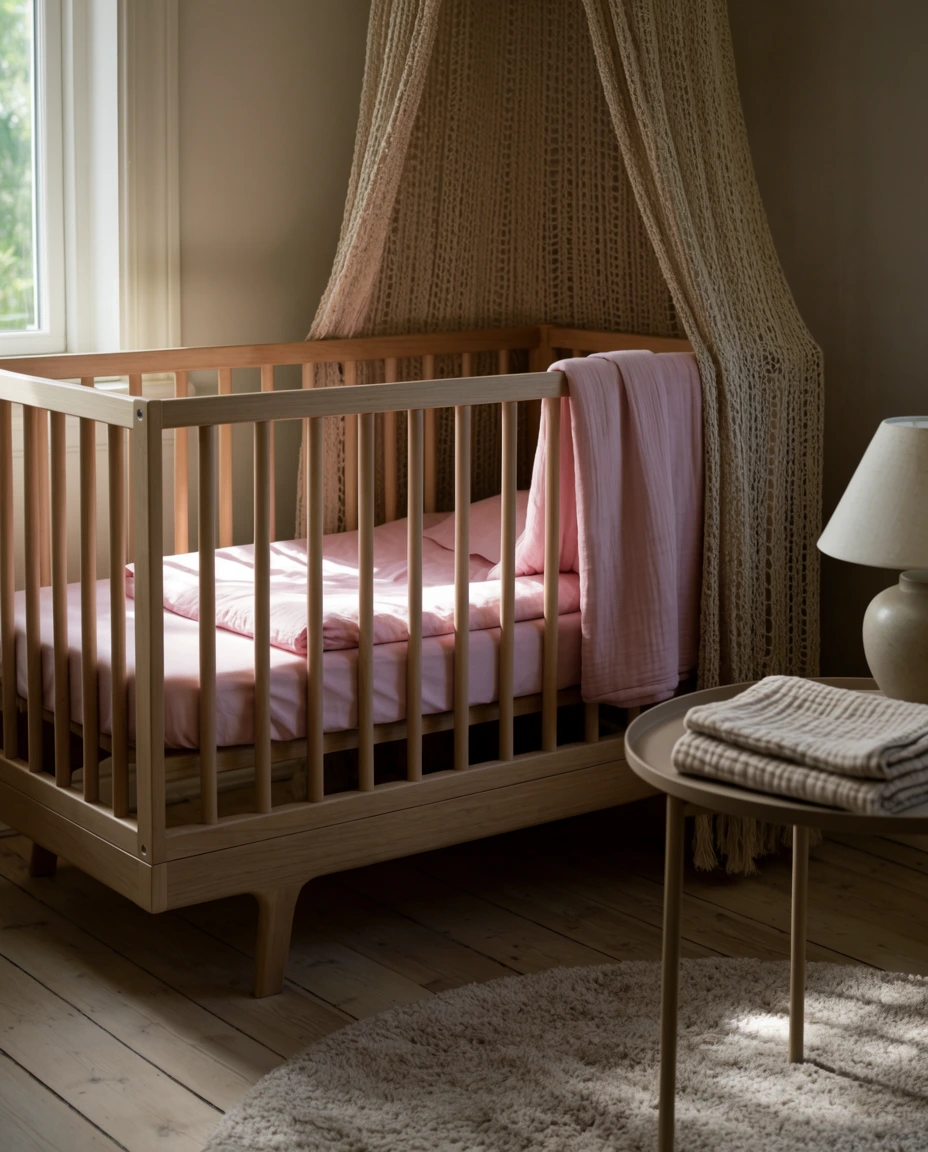
How the crib itself is styled sets the tone for the whole room, and a simple bedding set in soft pink paired with a woven boho canopy or a macrame hanging above it turns the crib into a real focal point rather than just a place to sleep at night. Keeping the linens themselves simple, without too many patterns competing for attention at once, lets that one special detail stand out clearly.
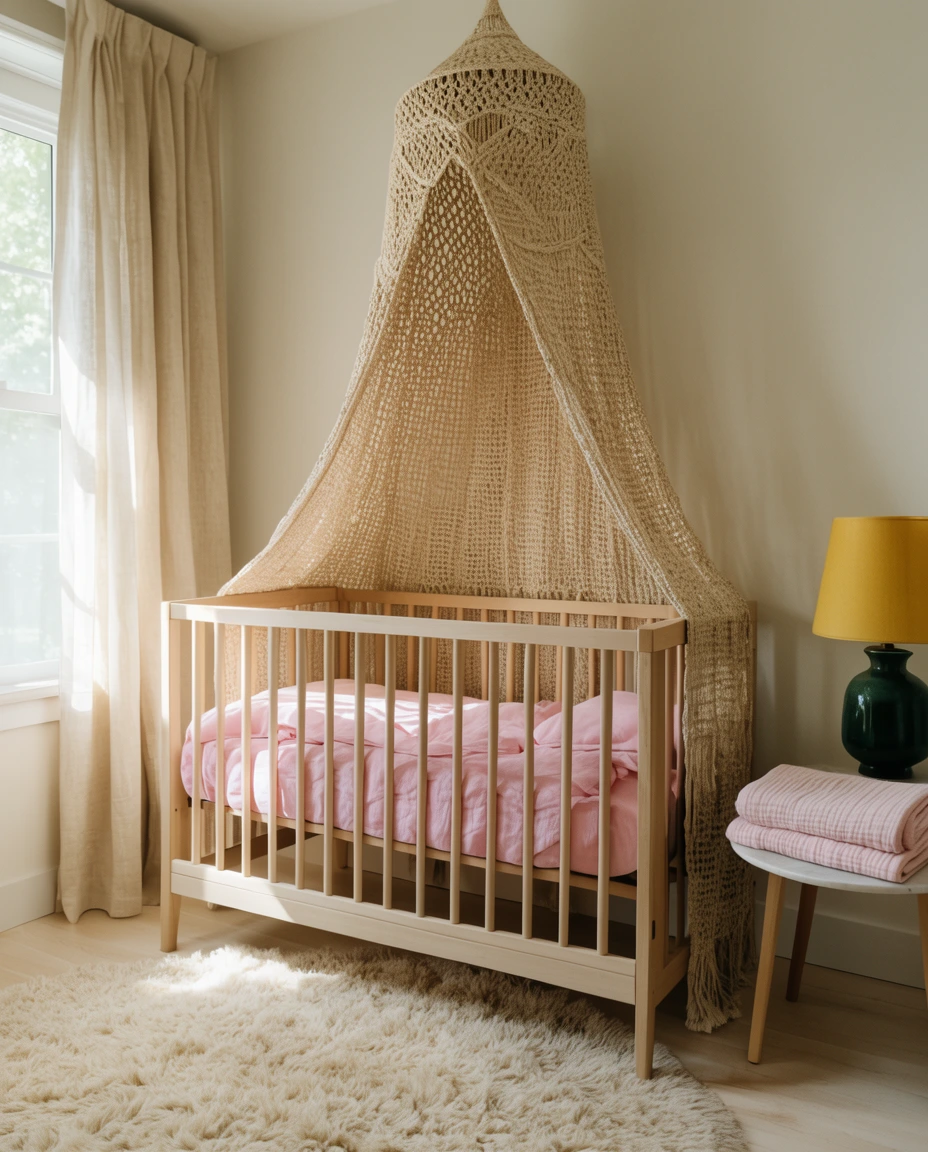
Choosing a crib skirt or a fitted sheet in a washable, easy-care fabric matters just as much as the color, since this piece gets swapped out and laundered more often than almost anything else in the room during that first year. A neutral crib frame, whether painted white or left as natural wood, also makes it easier to change the surrounding color scheme later on without ever needing to replace the furniture itself.
18. Soft Whimsy in Every Corner
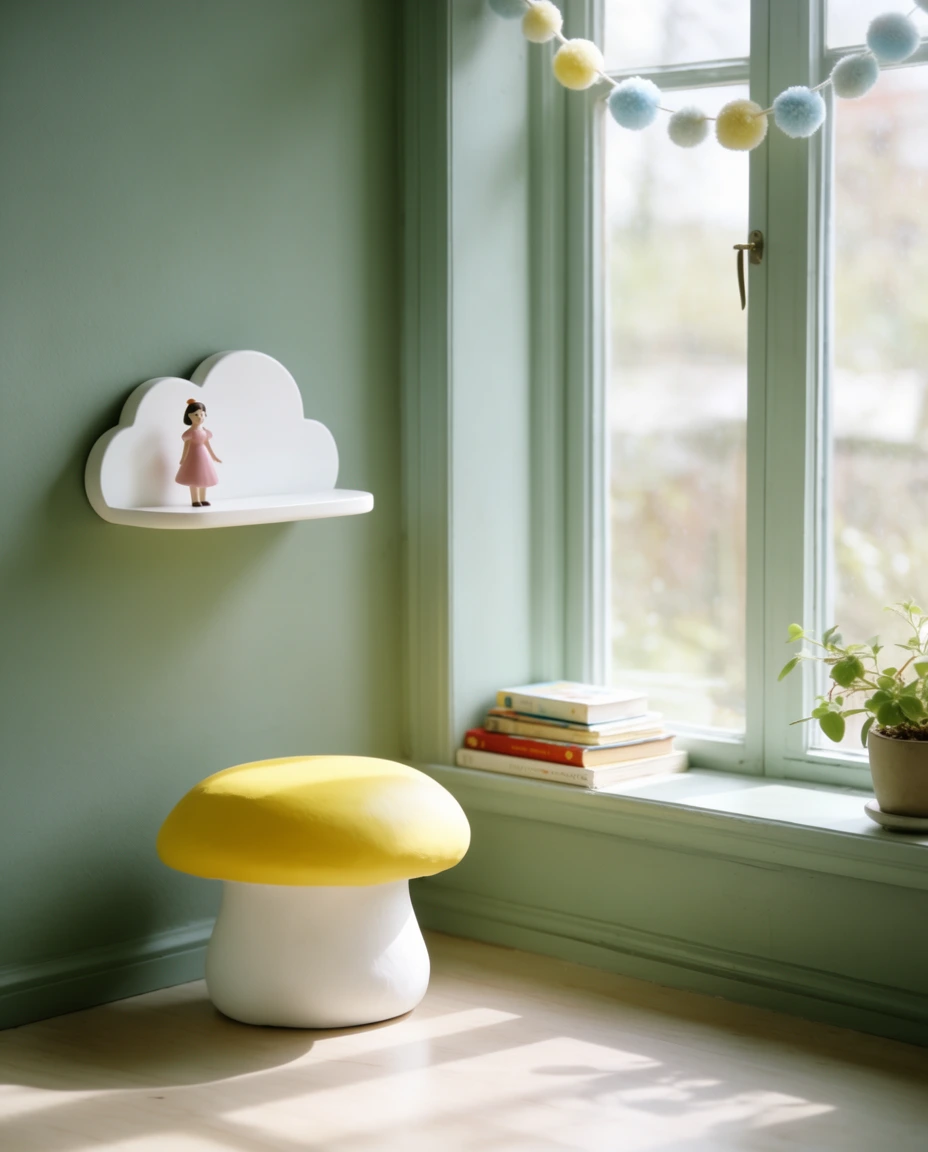
A whimsical touch doesn’t need its own dedicated theme to work, it can simply live in the corners of an otherwise simple room: a cloud-shaped shelf, a tiny stool shaped like a mushroom, or a string of soft pom-pom garland along the window. This scattered approach suits a small nursery especially well, since each playful piece takes up almost no space while still giving the room real personality against a calm sage or cream backdrop.

A dad in Colorado added a single mushroom-shaped nightlight to his daughter’s otherwise plain nursery almost as an afterthought, and it quickly became the one detail every visitor asked about first. Small, unexpected touches like that tend to get remembered far more than an entire room built around one big theme, mostly because they feel like a personal choice rather than something pulled straight off a catalog page.
19. Soft Decor for a Cozy Feel
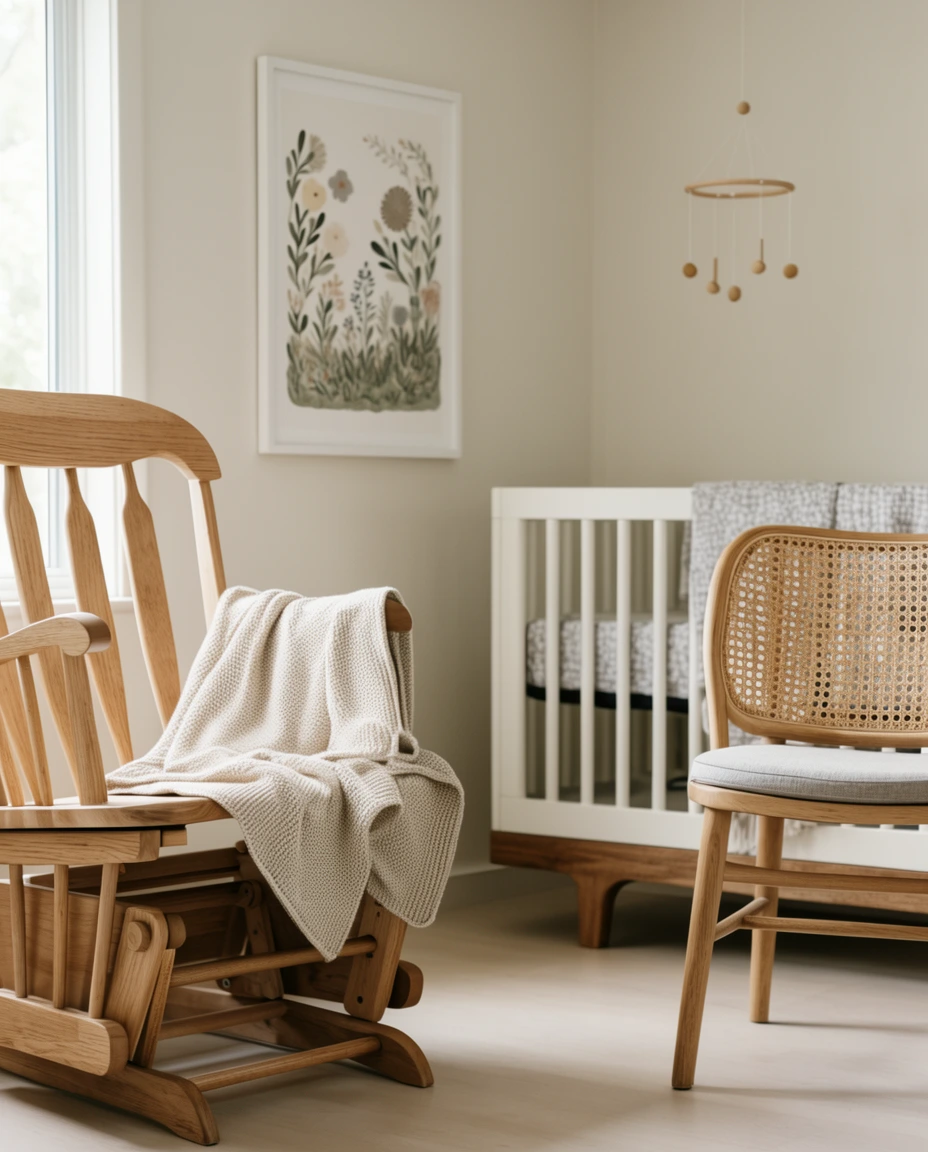
Cozy doesn’t have to mean cluttered. A short list of well-chosen decor pieces, a soft knit blanket, a simple wood mobile, and one framed garden-inspired print, does more for a neutral nursery than filling every shelf with knickknacks and extra toys. This pared-back approach leaves the room to breathe and makes the whole space easy to keep tidy once the baby actually arrives and daily life picks up pace.
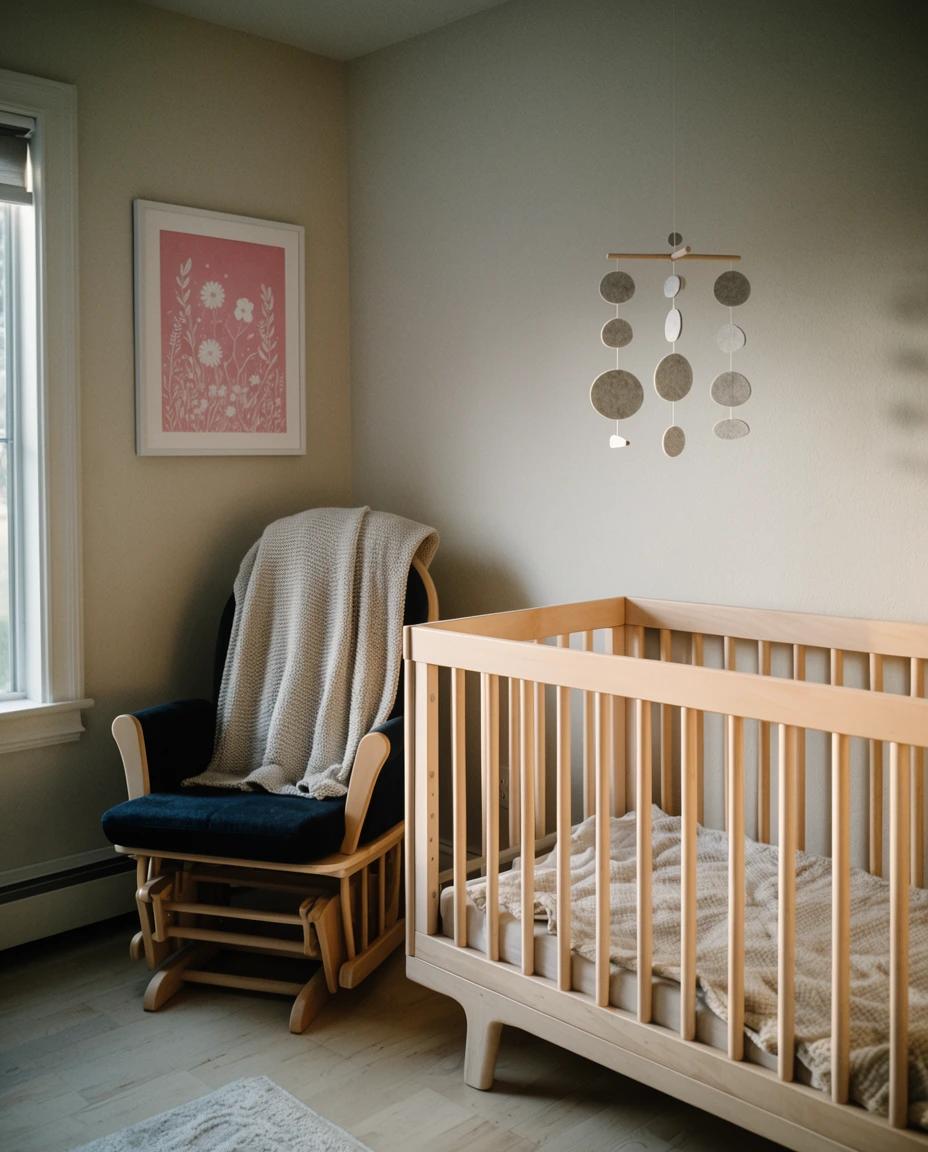
This kind of restrained coziness works best for parents who plan to spend real time in the room, nursing or rocking a baby to sleep at odd hours of the night, since a calm, uncluttered space tends to feel more soothing at three in the morning than one packed with visual noise. It also holds up well over time, since there’s simply less in the room to eventually outgrow or replace.
20. A Nursery Styled with Charm

Pulling every idea together, the most memorable nurseries usually mix a few different influences rather than sticking to one strict theme, a vintage dresser, a touch of boho texture, and a soft wallpaper pattern can all sit comfortably in the same small room. The trick is choosing pieces that share a color story and a similar sense of warmth, even if their individual styles technically come from very different decades and design eras.

Most families end up building this kind of layered room slowly and organically, starting with one or two pieces they truly love, a grandmother’s rocking chair or a favorite fabric, and adding the rest around those anchors over several months of decorating. That gradual process is exactly why these mixed nurseries tend to feel so warm and personal, since almost nothing in the room was bought purely to fill an empty gap.
We’d love to see which of these nurseries speaks to you most, so drop a comment below with your favorite idea or the one you’re planning to try in your own home. Sharing photos of your own baby girl’s room is always welcome too, since real spaces are often the best inspiration of all.