
Pinterest searches for winter styling spike every year right after the holiday boxes come down, when homes suddenly feel bare and people start hunting for ways to keep the season’s warmth without the ornaments. This roundup gathers looks that work equally well in a Brooklyn brownstone or a farmhouse in Ohio, from front porches to bedrooms to a kindergarten reading corner. Readers will find quick styling swaps, a few DIY projects, and ideas that carry a home comfortably from December through the last cold weeks of March.
1. DIY Christmas Mantel Magic
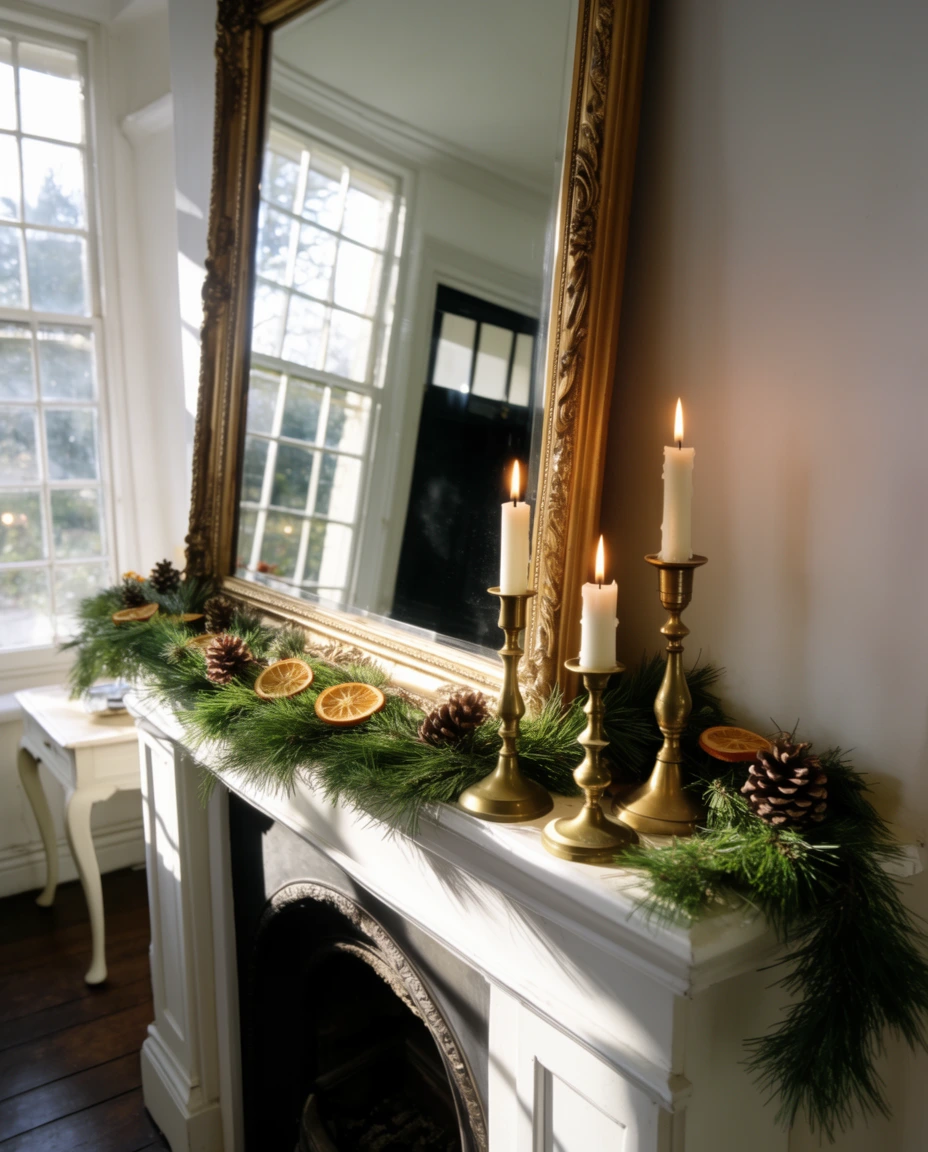
A DIY approach to the Christmas mantel turns an ordinary shelf into the room’s focal point without a big budget or a trip to a specialty store. Garland, taper candles, and a few thrifted frames layered at different heights build instant warmth in an afternoon. Browsing ideas for the mantel on Pinterest usually turns up the fastest, most cozy combinations of texture, greenery, and glow that feel collected over years rather than bought in one trip, and the whole look stays easy to refresh each season.
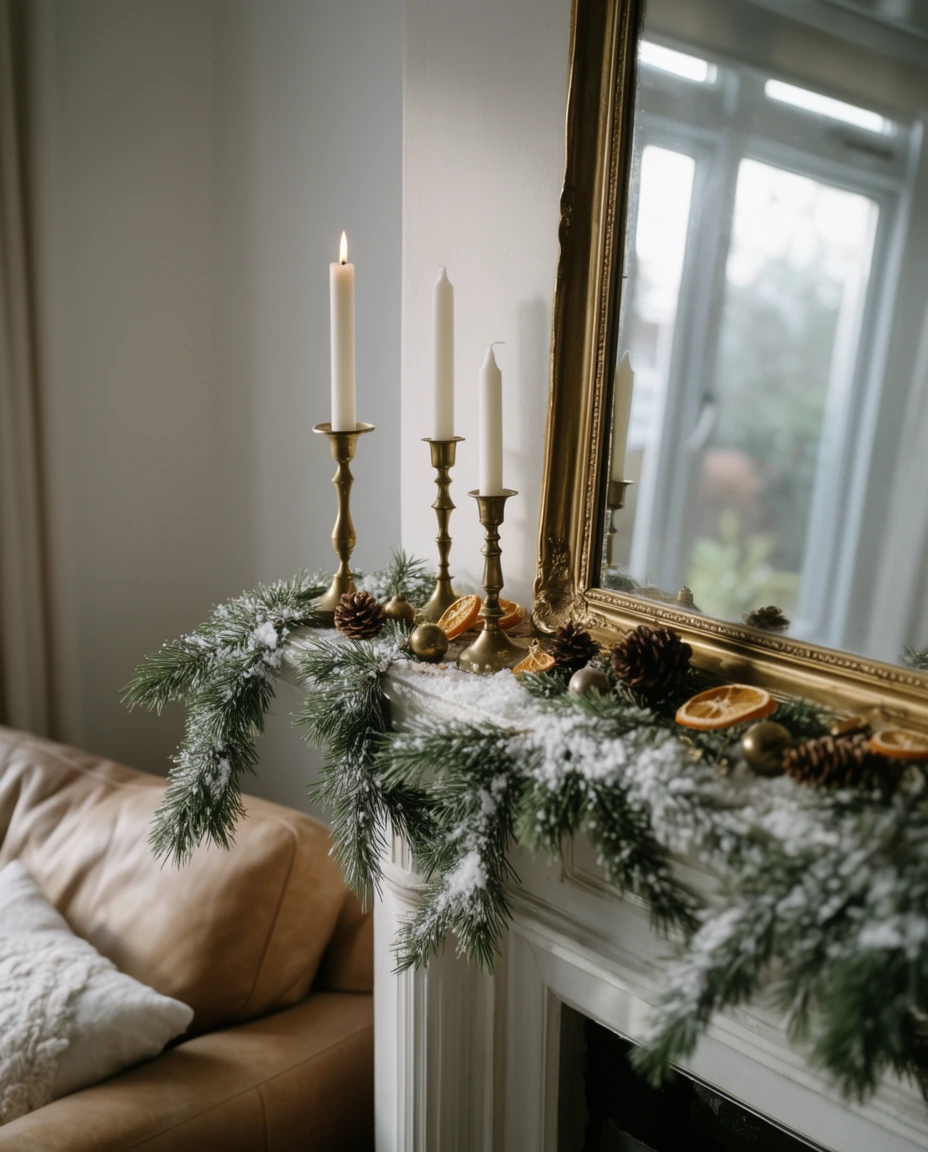
The trick professional stylists lean on is working in odd numbers and varying heights rather than lining objects up in a single row, since three candlesticks of different sizes read as intentional while five matching ones read as a display from a box. Anchoring the arrangement with one substantial piece, like a framed print or a chunky lantern, gives the eye somewhere to land before it moves to the smaller garland and ornaments tucked around it. This same logic works on a bookshelf or a console table just as well as it does on a fireplace surround.
2. Rustic Charm for the Porch
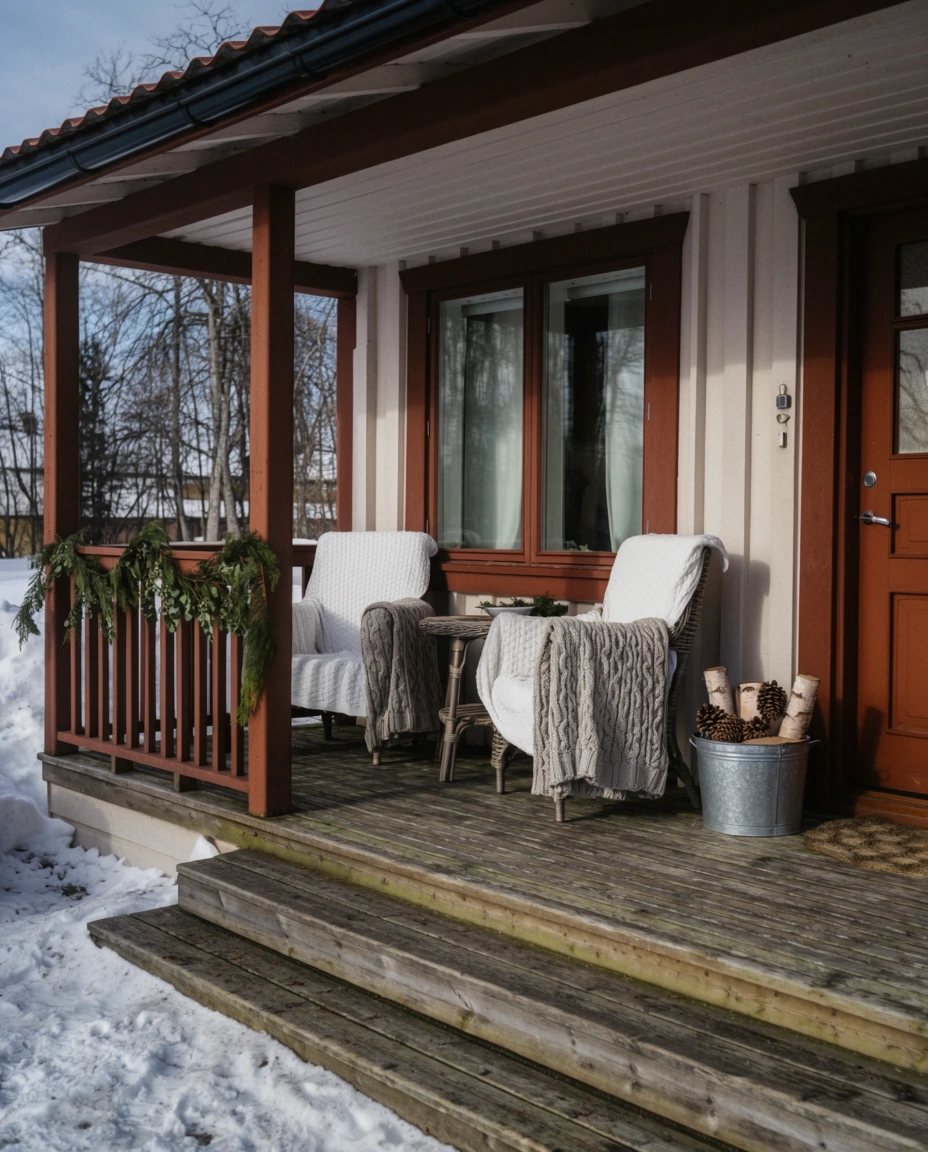
Rustic styling works especially well on the front porch, where weathered wood, galvanized buckets, and thick knit throws can sit right alongside real greenery without looking staged. This is one of the few outdoor spaces in a home that gets decorated purely for the neighbors and the mail carrier, so it rewards a slightly bolder hand than the living room. Piling in natural elements like pinecones, birch logs, and a wool blanket over the porch rail keeps the whole scene grounded and welcoming, and it takes only an afternoon of styling to pull together.
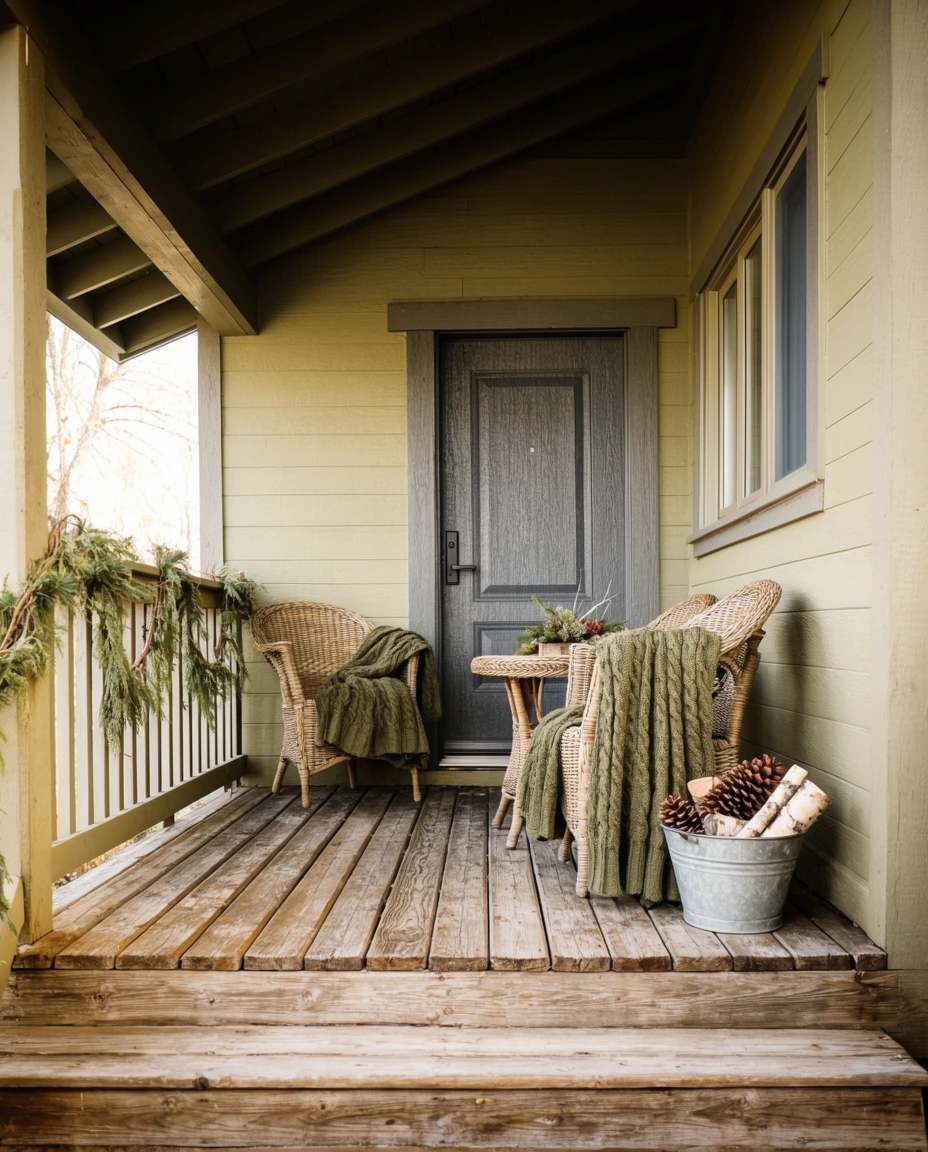
Porches carry different weight depending on where a house sits: in the Midwest and Northeast they often double as a place to watch snow fall from a rocking chair, while in warmer pockets of the South and West Coast a porch stays usable for entertaining well into January. Either way, weatherproof textiles and battery lanterns let the display hold up through wind, rain, or an actual snowstorm without a repeat trip to restyle it. A simple test before winter fully sets in: everything on display should be able to survive an afternoon of steady sideways rain.
3. Cozy Winter Living Room

A living room built for winter leans on layers more than decoration: a chunky throw across the sofa arm, a low coffee table tray for candles, and lamps set on dimmer switches instead of overhead lighting. Keeping the palette simple lets texture do the heavy lifting, so the same room that felt bright and airy in July can turn soft and enveloping by December with a handful of textile swaps rather than a full redecorating project for the home, even when the thermostat is set exactly the same as it was all summer long.
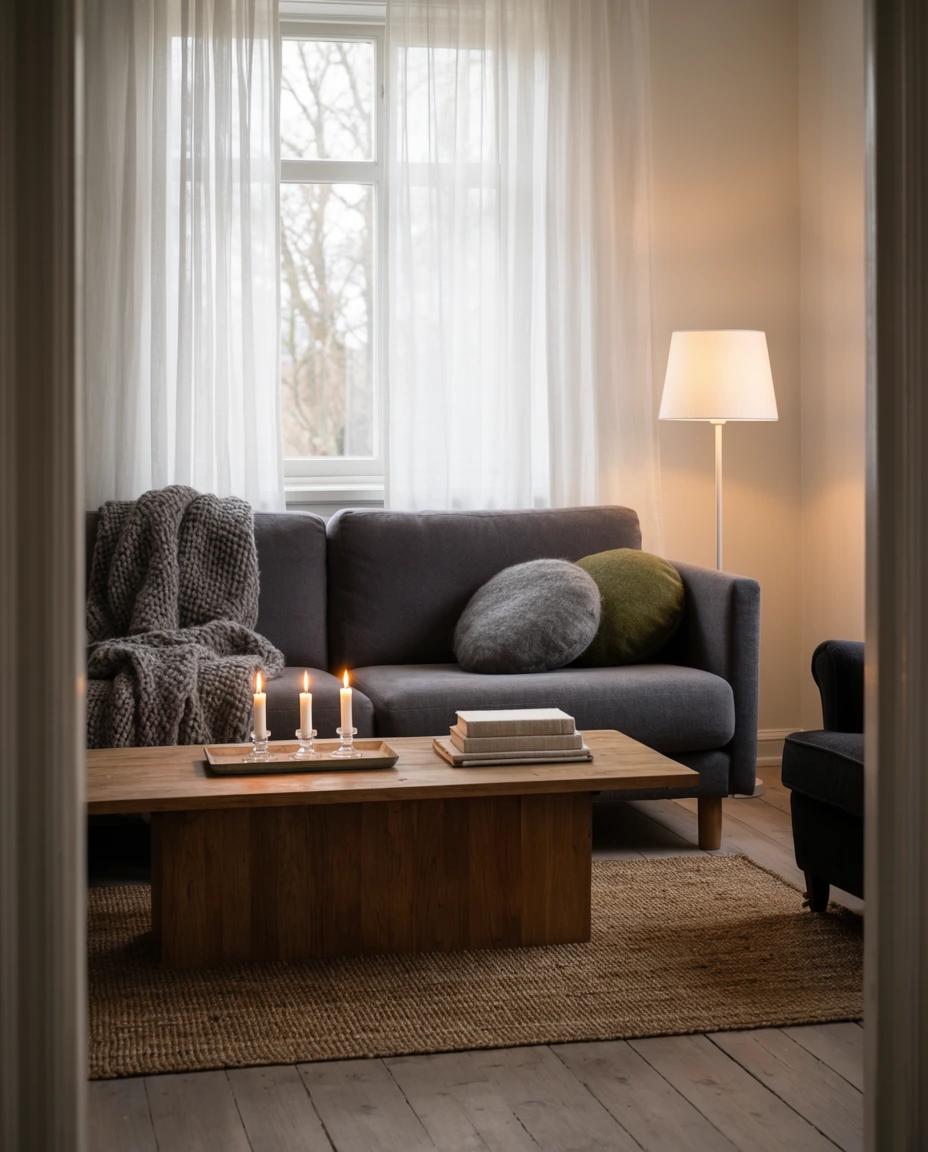
A friend in Minneapolis swaps her sofa’s cover for a deep charcoal boucle the same week she puts the patio furniture away, and says that single change does more to signal the season than any garland could. Pinterest boards full of ideas for the home cozy enough to survive a long winter tend to repeat this same lesson: fabric and lighting outperform ornaments every time, especially once the days get short. It costs far less than most people expect, and thrifted or vintage textiles work just as well as anything bought new.
4. Neutral Bedroom Retreat for Winter
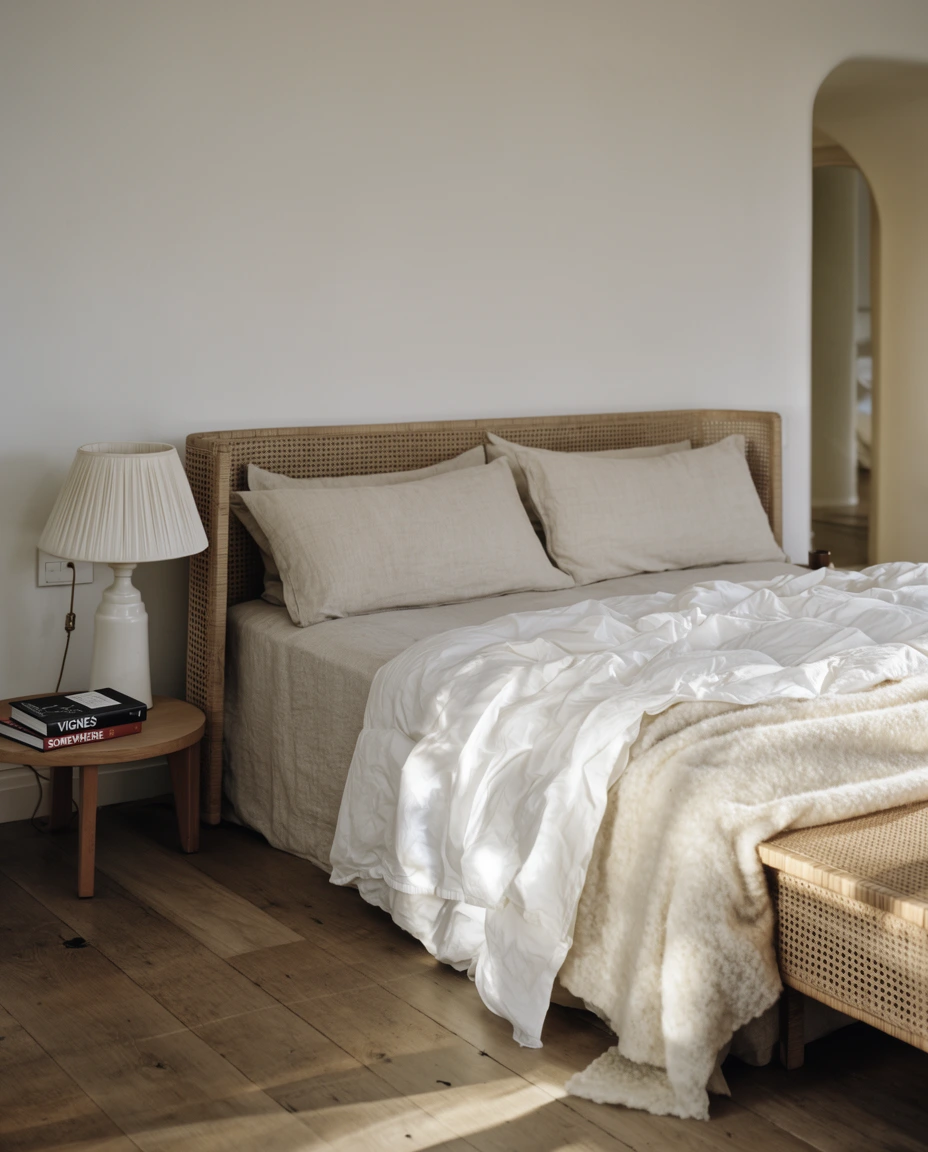
A neutral bedroom built around oatmeal, bone, and soft grey lets winter light do the styling instead of bold color. The look leans into a quiet aesthetic of layered linens, a wool throw folded at the foot of the bed, and a single lamp with warm bulbs rather than a bright overhead fixture. It reads as genuinely cozy without tipping into clutter, which is exactly why this palette keeps surfacing in winter bedroom searches every year, and it photographs beautifully in nearly any light, morning or evening.
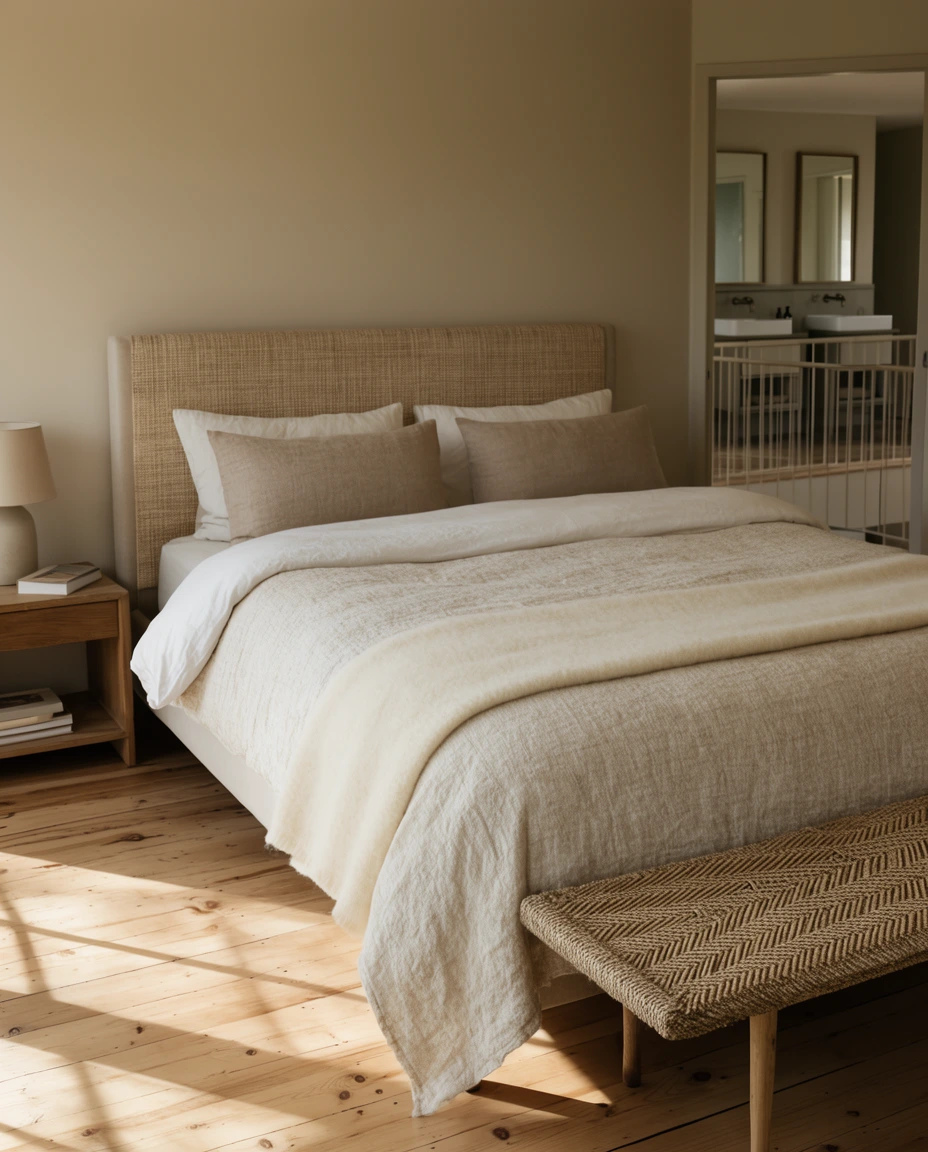
This palette works best in bedrooms that already get strong natural light, since the pale tones need daylight to keep them from feeling flat rather than restful. In a north-facing room with less sun, adding one warmer wood tone or a rust-colored pillow keeps the space from reading cold. Either way it remains one of the more forgiving for home styling choices to attempt in a single weekend. Sticking with two or three materials total, rather than five or six, keeps the whole room feeling calm instead of busy.
5. Vintage Mantel Styling Ideas
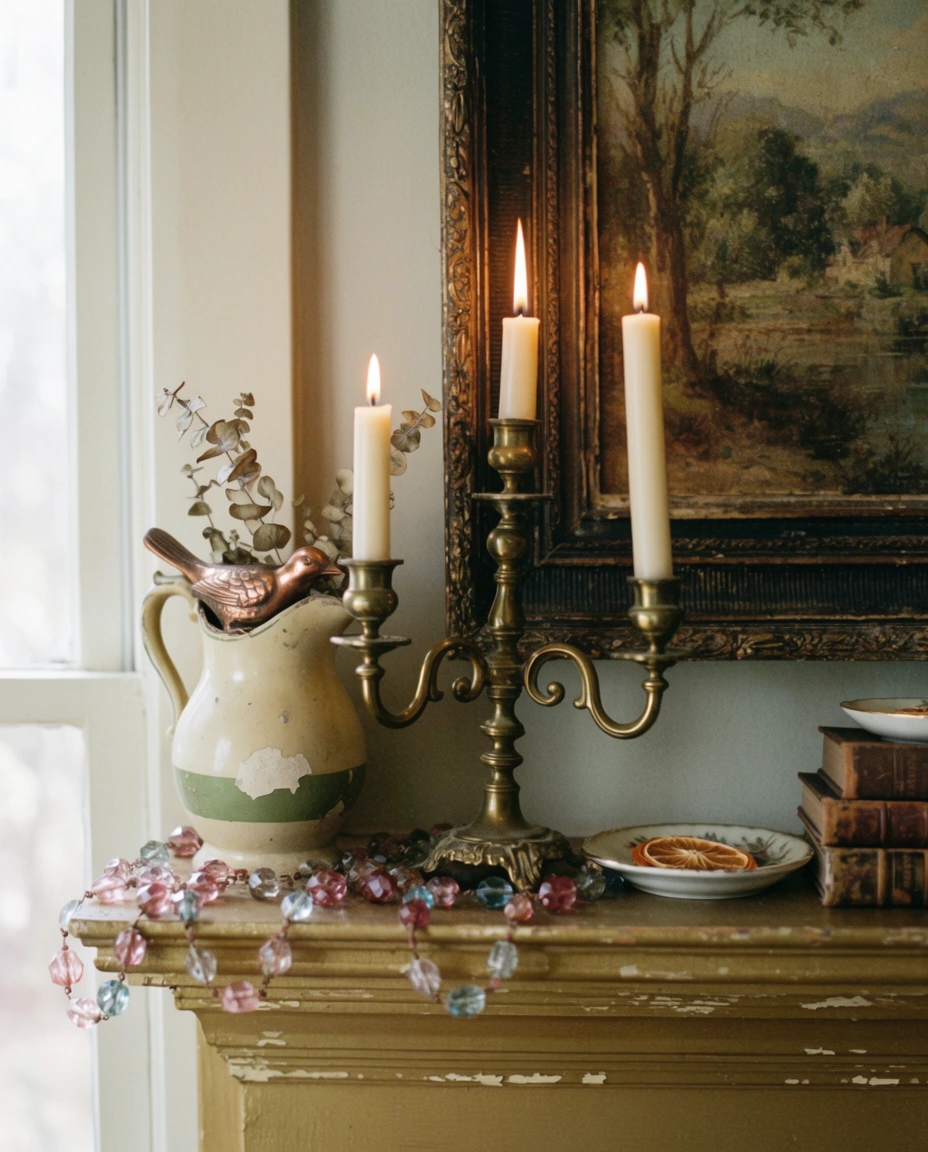
Vintage mantel styling swaps new ornaments for pieces with real history: a chipped ironstone pitcher, an old set of brass candlesticks, a strand of mercury glass beads passed down from a grandmother’s tree. The best ideas in this style mix eras instead of matching a single decade, which keeps a Christmas mantel from reading like a museum display. A simple garland base ties the older pieces together without competing with them for attention, and the whole arrangement can be built from pieces already tucked away in a closet.
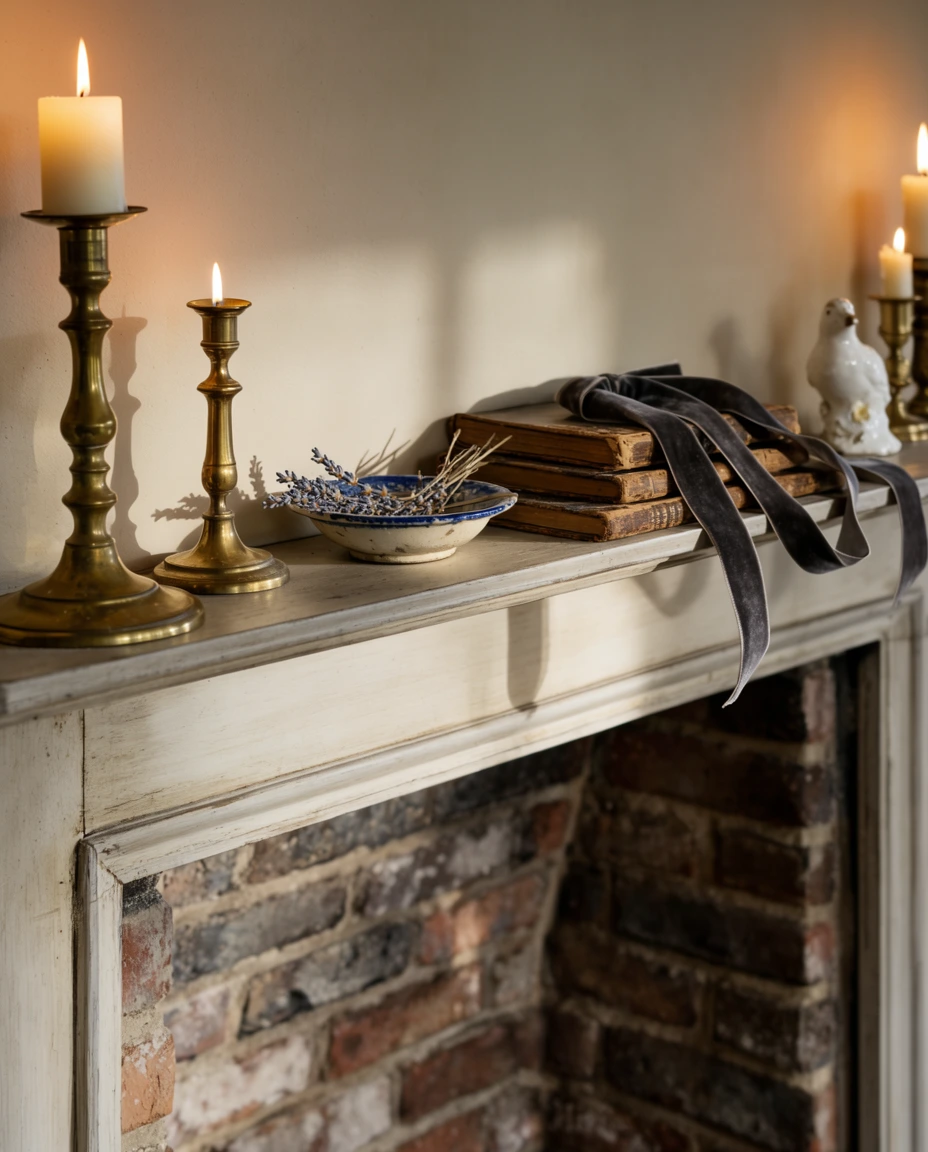
Interior stylists who work with heirloom pieces often say the mistake is treating every antique as precious, when a mantel actually needs one or two worn, imperfect objects to feel authentic rather than curated from a catalog. A slightly tarnished candlestick or a faded velvet ribbon does more work than a brand-new replica, since the small flaws are what read as collected rather than purchased for the season. That same principle applies well beyond the mantel, to shelves, side tables, and any other surface holding older objects.
6. Crochet Throws for Cozy Evenings

A crochet throw draped over a reading chair or the end of a bed brings texture that machine-knit blankets rarely match, and the granny-square patterns popular decades ago are back at the center of cozy winter styling. Because the yarn is often wool or a wool blend, these throws also add genuine warmth rather than serving purely as decoration, which makes them one of the more functional textiles a home can add heading into the coldest months, especially in natural fiber tones through the coldest evenings.

A handmade crochet throw from an independent maker on Etsy typically runs anywhere from forty to a couple hundred dollars depending on size and yarn quality, while a secondhand one from a thrift store or estate sale can cost under fifteen dollars and often carries more character than a new one. For anyone learning the craft, a simple throw uses only two stitches and can be finished over a handful of evenings. Either option beats a mass-produced acrylic throw, both in how it feels against skin and in how long it lasts.
7. White and Airy Winter Bedroom

A white bedroom built for winter avoids feeling sterile by leaning on texture instead of color: a bouclé headboard, waffle-weave bedding, and a chunky knit throw folded at the foot of the bed. This aesthetic reads as calm rather than cold once natural fiber layers are stacked in, and keeping the styling simple — just two or three textures instead of a dozen patterns — is what keeps the room feeling like a retreat instead of a blank canvas. Soft lighting in the evening reinforces the effect far more than daylight ever will.

Most homeowners who commit to an all-white bedroom end up adding one warm-toned wood piece, usually a nightstand or a woven bench, within the first year, simply because the room needs something to break up the palette once the initial novelty wears off. Building that warmer element in from the start, rather than treating it as an afterthought, tends to make the whole room feel finished immediately. Choosing that warmer piece early, rather than waiting a year to notice the gap, saves an extra shopping trip later on.
8. Scandinavian Simplicity in the Bedroom
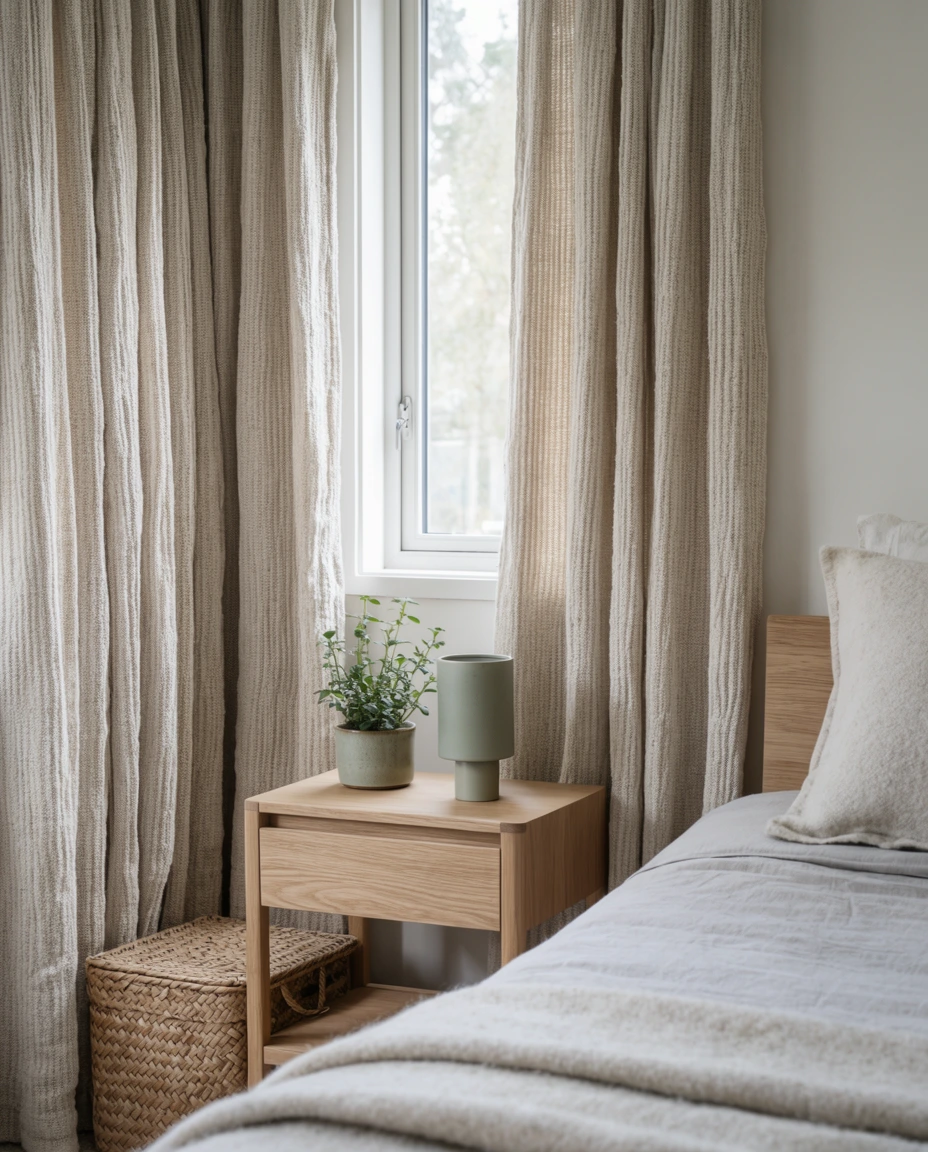
Scandinavian styling treats the bedroom as a place for rest above all else, which is why the look favors pale wood, unbleached linen, and a single well-placed lamp over anything ornamental. It’s an easy style to recreate because it asks for restraint rather than a shopping list: fewer objects, all of them functional, arranged with generous space between them. Natural materials like wool, wood, and raw cotton do most of the visual work instead of pattern or color, and the whole approach stays easy to maintain from week to week.
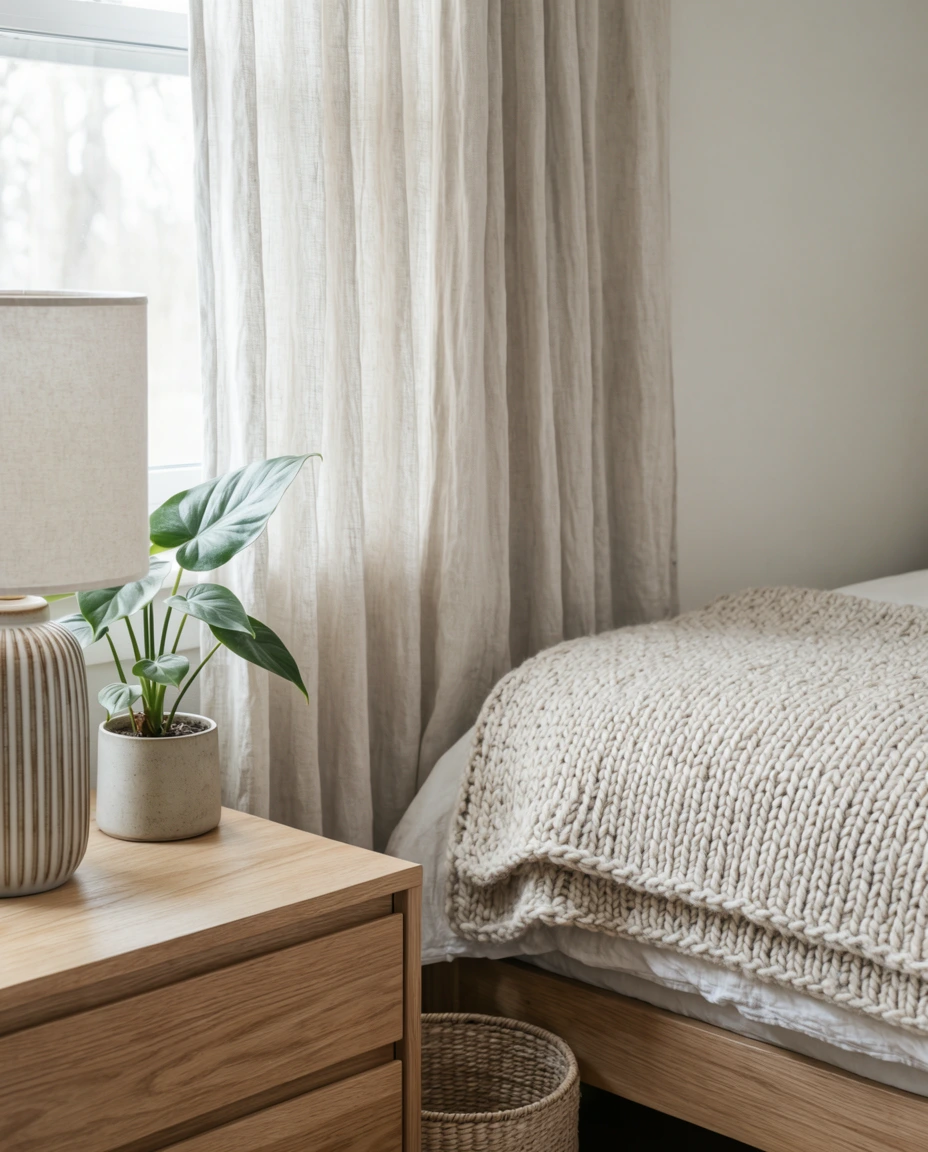
The most common misstep is treating minimal as empty, leaving walls bare and surfaces stark until the room feels unfinished rather than calm. Scandinavian bedrooms that actually photograph well always include at least one soft layer — a sheepskin on a chair, a woven basket of extra blankets — so the space reads as considered rather than under-furnished, which is an easy fix with just one or two thoughtful additions. A single dried branch in a tall vase does the same job without adding real clutter to the room.
9. Kindergarten Classroom Winter Corner
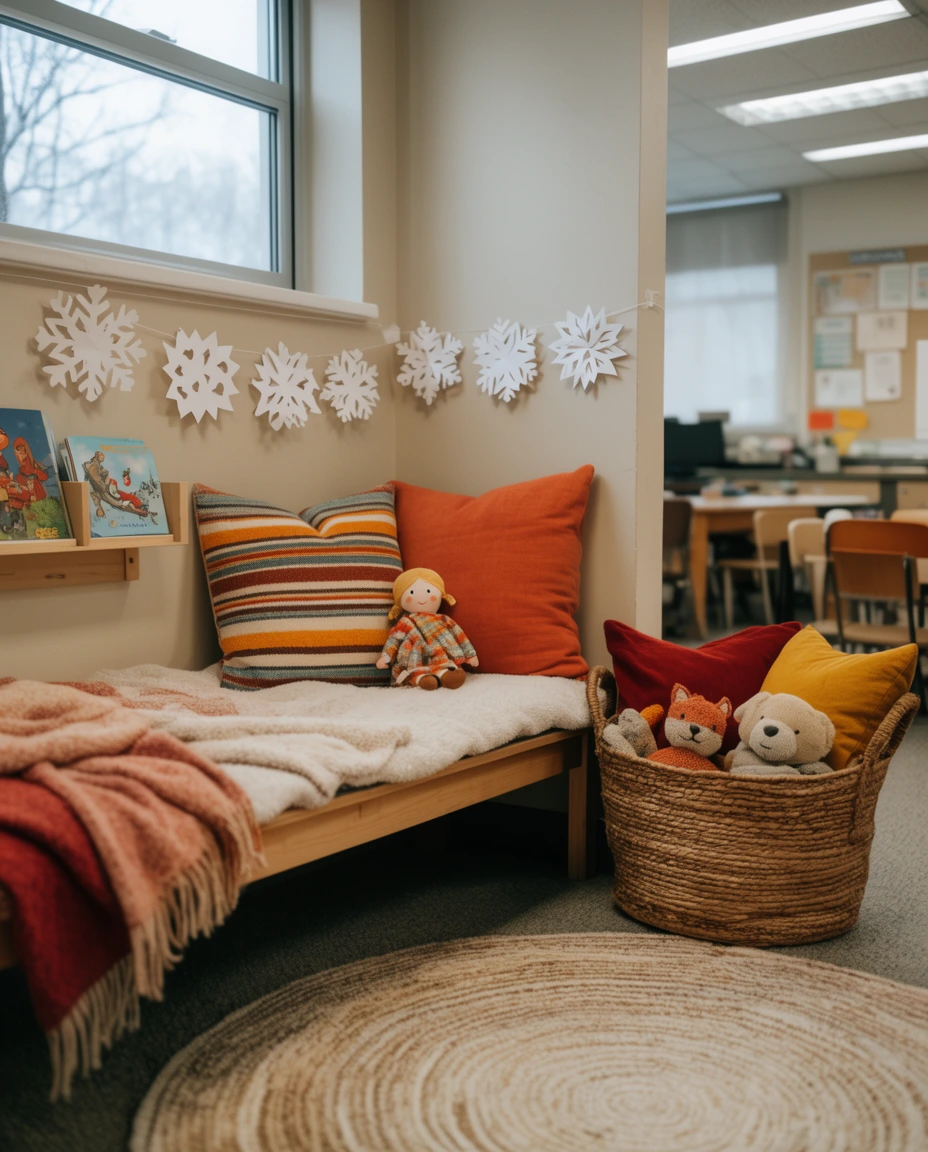
A kindergarten classroom benefits from a dedicated winter reading corner just as much as a home does, giving young children a soft, low-stimulation spot to decompress during the darker months. A school budget rarely stretches to new furniture, so most teachers build the space from a rug, a few floor cushions, and a small shelf of seasonal picture books. The classroom corner works best when it stays cozy but uncluttered, since too many decorations can overstimulate rather than calm a group of five-year-olds.

Teachers who redo this corner every January instead of leaving up Christmas decor find that a neutral palette of soft blues, whites, and warm wood tones lasts through the entire winter term without needing to be swapped again until spring. Battery-operated string lights, rather than anything requiring an outlet near small hands, keep the space both cozy and genuinely safe for daily use throughout the school day. Parents often notice the difference too, since children tend to settle into that corner within the very first week back.
10. Fresh Starts for January Decor
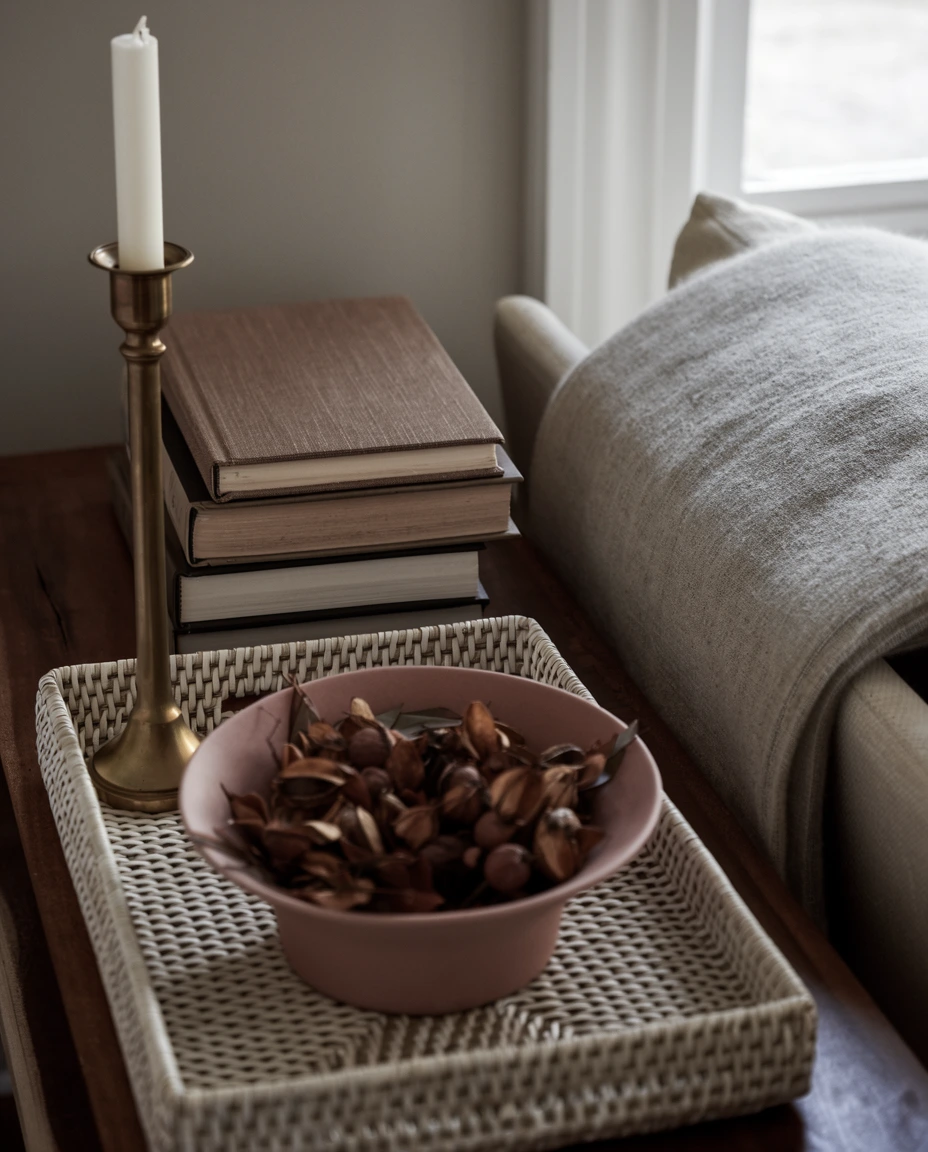
January decor exists specifically to fill the gap after the tree comes down, when a living room can suddenly feel bare and a little sad. The best ideas after christmas lean on texture and warm neutrals rather than anything holiday-specific, so the space still feels intentional through the coldest, darkest stretch of the year. A simple swap — dried branches in a tall vase, a cream throw, a stack of linen-bound books — is often all a room needs, and it’s an easy reset that takes under an hour on a quiet Saturday morning.
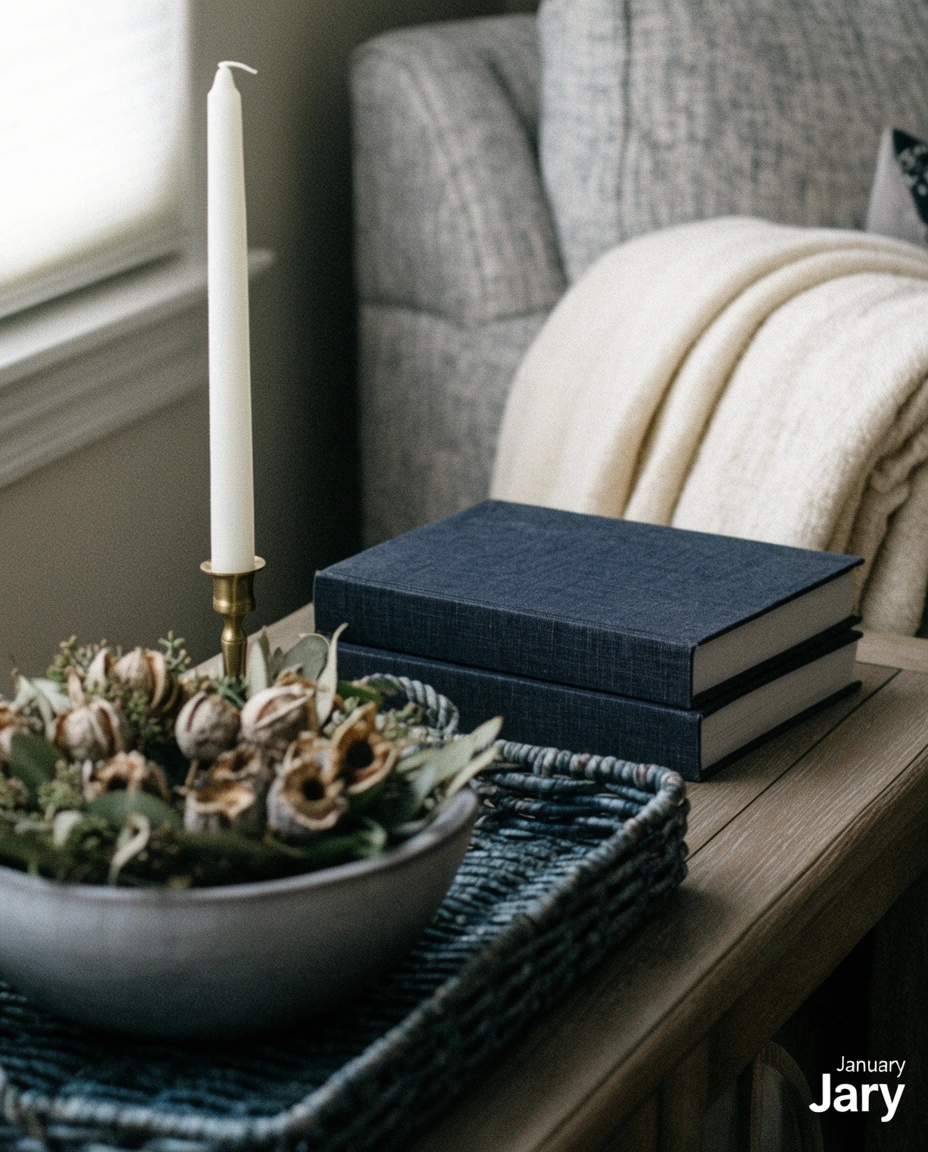
This transition matters more in colder regions of the country, where winter still has two or three months left to run once the holidays end, compared to milder climates where outdoor life resumes much sooner. Homes in the Upper Midwest and New England in particular lean on this in-between decor to carry them comfortably through February without holiday clutter lingering past its welcome or feeling like an empty house. Real estate listings in these regions even highlight a home’s coziest winter corners well into February.
11. Natural Winter Table Centerpiece
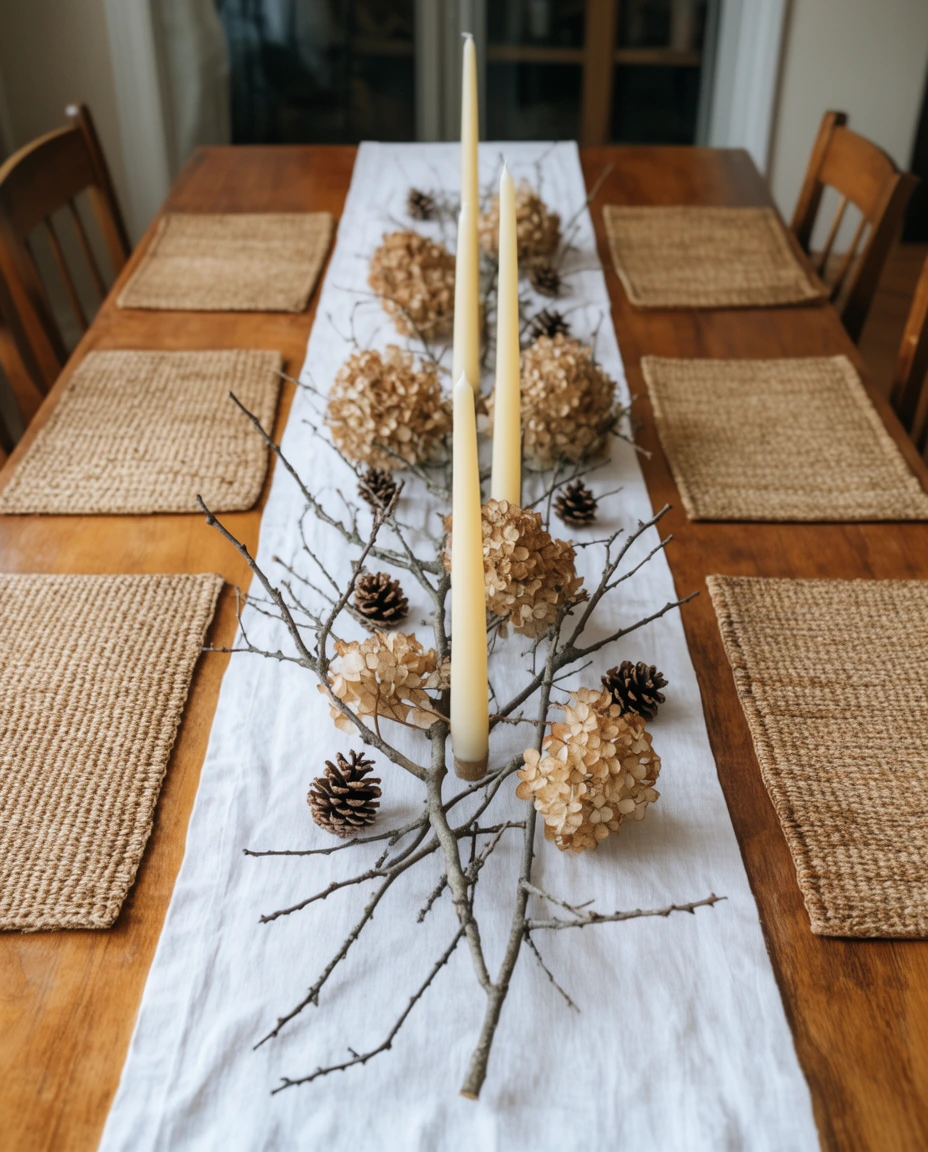
A natural winter centerpiece skips the traditional poinsettia in favor of foraged branches, dried hydrangea, and a scattering of pinecones down the center of the table. These ideas work equally well for a Tuesday dinner or a holiday gathering, since nothing in the arrangement reads as strictly Christmas. Anchoring the display with a few taper candles at varying heights gives any home table an instantly cozy, gathered-from-the-yard feel without a single trip to the florist, right through the new year.
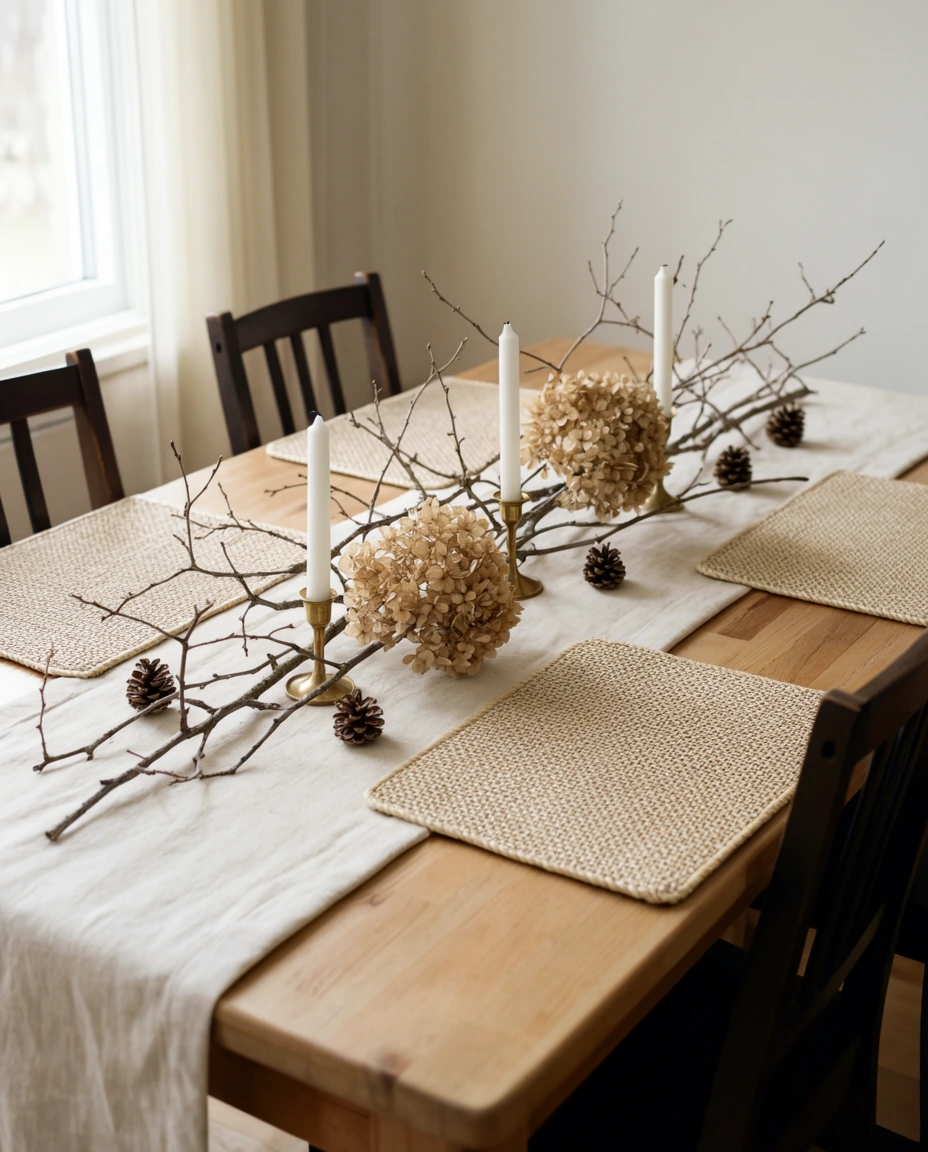
One reader in Vermont says she rebuilds her table centerpiece every Sunday through the winter using whatever she finds on a short walk with her dog — bare branches one week, dried grasses the next — and has never once repeated the same arrangement twice in a season. That habit alone keeps the table feeling current without buying a single new decoration all winter long. Neighbors have started asking her for the same walking route, since the arrangements she brings home always look a little different from what anyone else nearby is using.
12. Easy Styling for Small Entryways
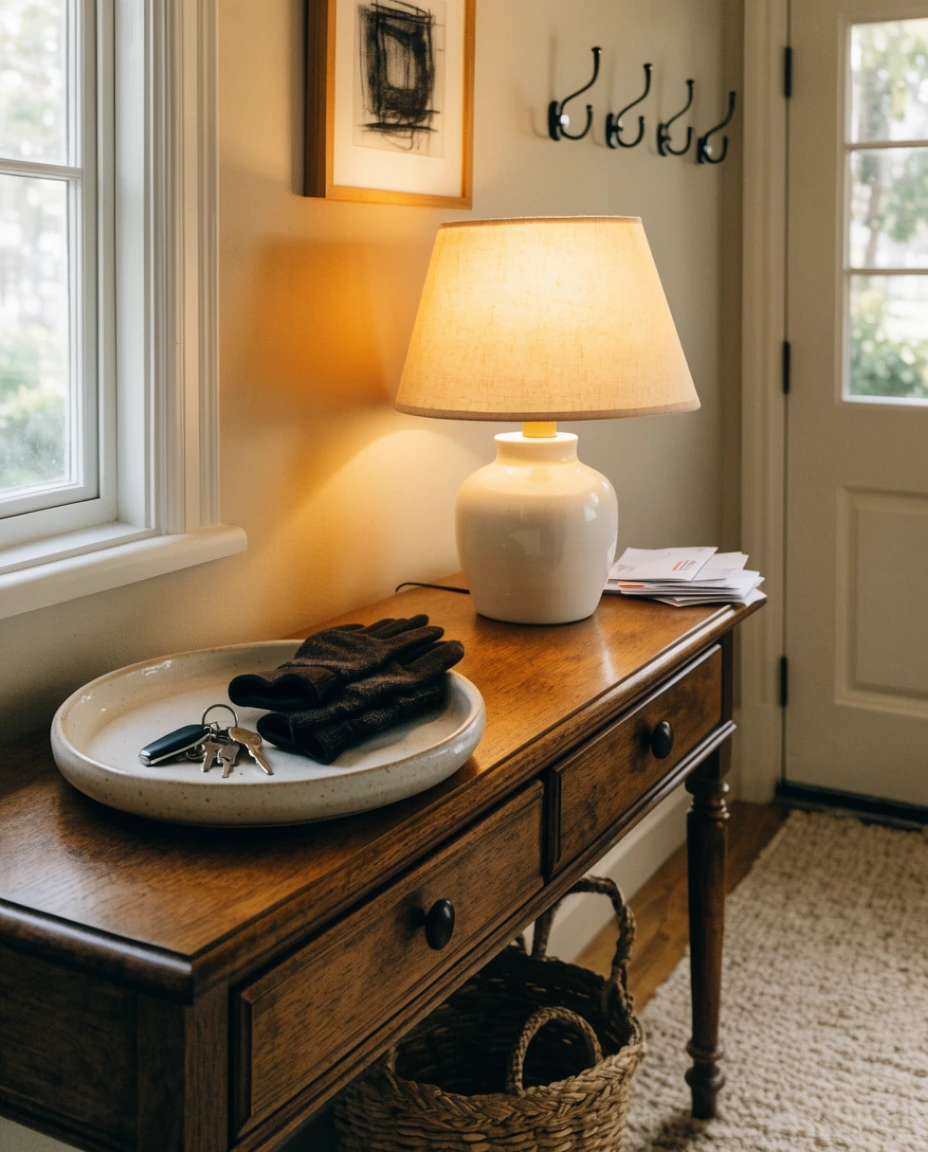
An easy entryway refresh for winter usually starts with swapping a summer runner for something in wool or a chunky weave, then adding a single bench or a row of hooks for heavy coats. Keeping the palette simple — mostly white with one warm wood tone — helps a small room near the front door feel larger rather than cluttered with boots, scarves, and umbrellas piling up through the coldest, snowiest months. A single tray by the door for keys, mail, and gloves also keeps small daily clutter from spreading across the whole entry.
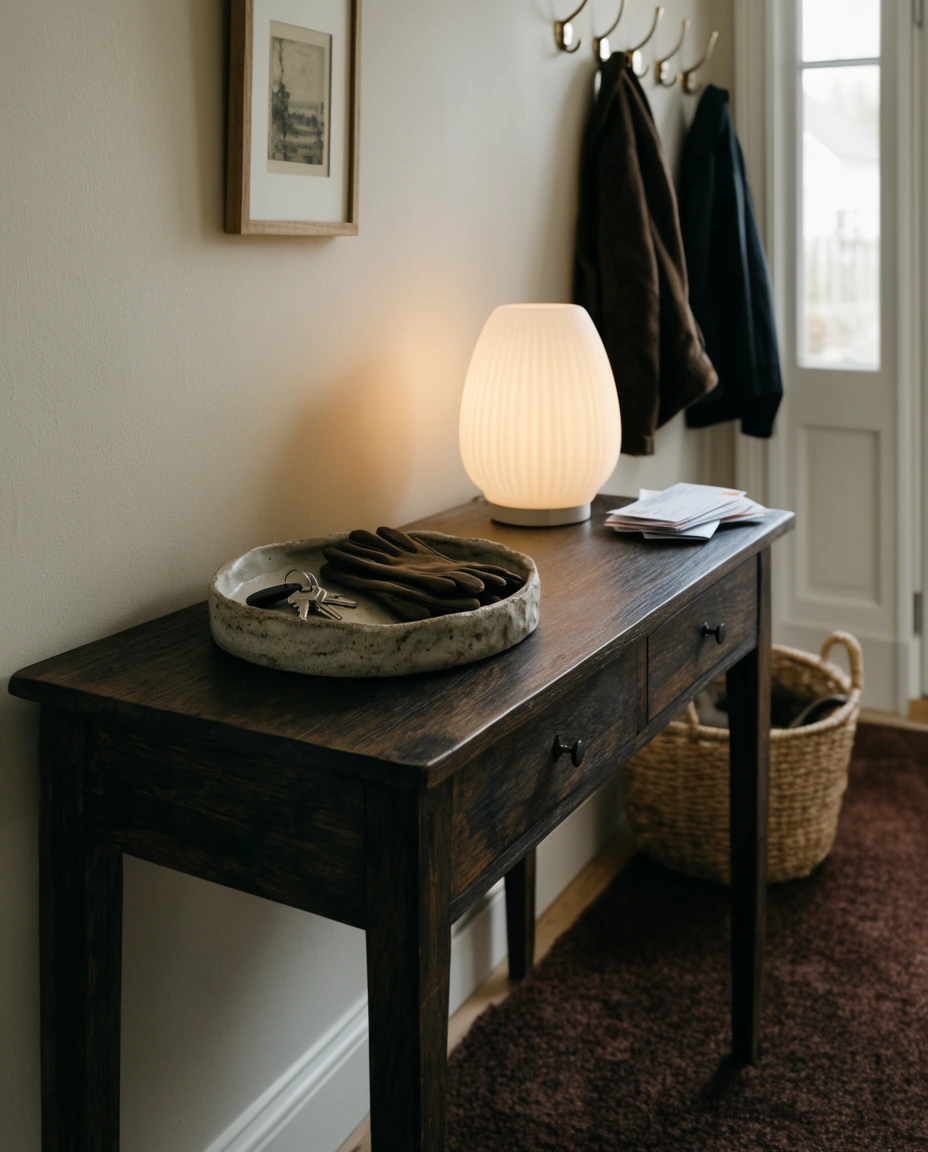
This approach works best in entryways under fifty square feet, where a heavy console table or oversized mirror would only shrink the space further. A slim bench with under-seat storage and a single mirror instead tend to be the most repeated ideas for the home entry among readers dealing with a genuinely tight footprint near their front door in an older house. A secondhand bench refinished with a fresh coat of paint typically costs far less than a new one shipped from a furniture retailer, without sacrificing the finished look at all.
13. Layering Cozy Winter Warmth
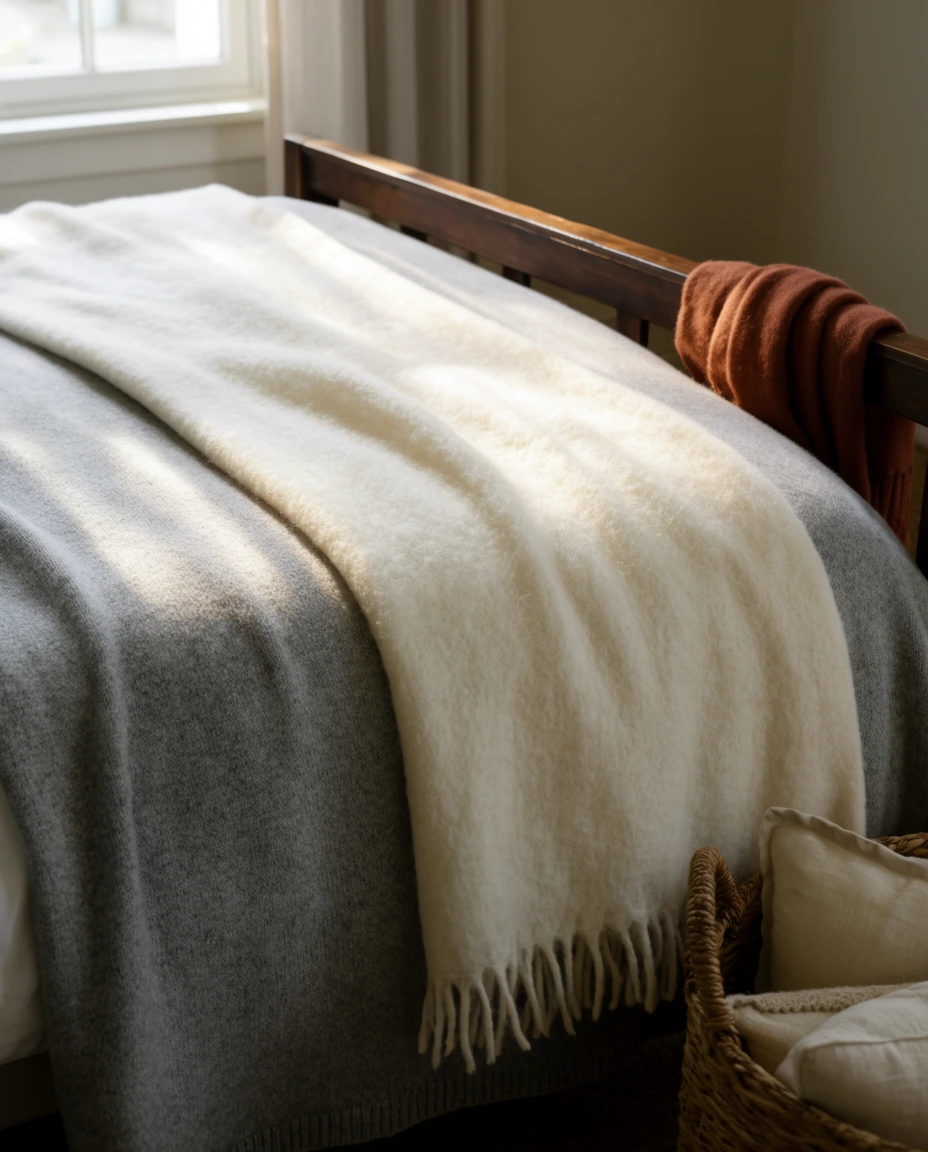
Layering is the single easiest way to make any home feel cozy once the temperature drops: a base throw on the sofa, a second textured one folded over an armchair, and a third smaller one draped across a bench at the foot of the bed. The simple rule professional stylists repeat most is to vary the weave and weight of each layer rather than buying three of the same blanket, which keeps a rustic wool throw from visually competing with a smooth knit one nearby, even in a home with just a handful of throws total.
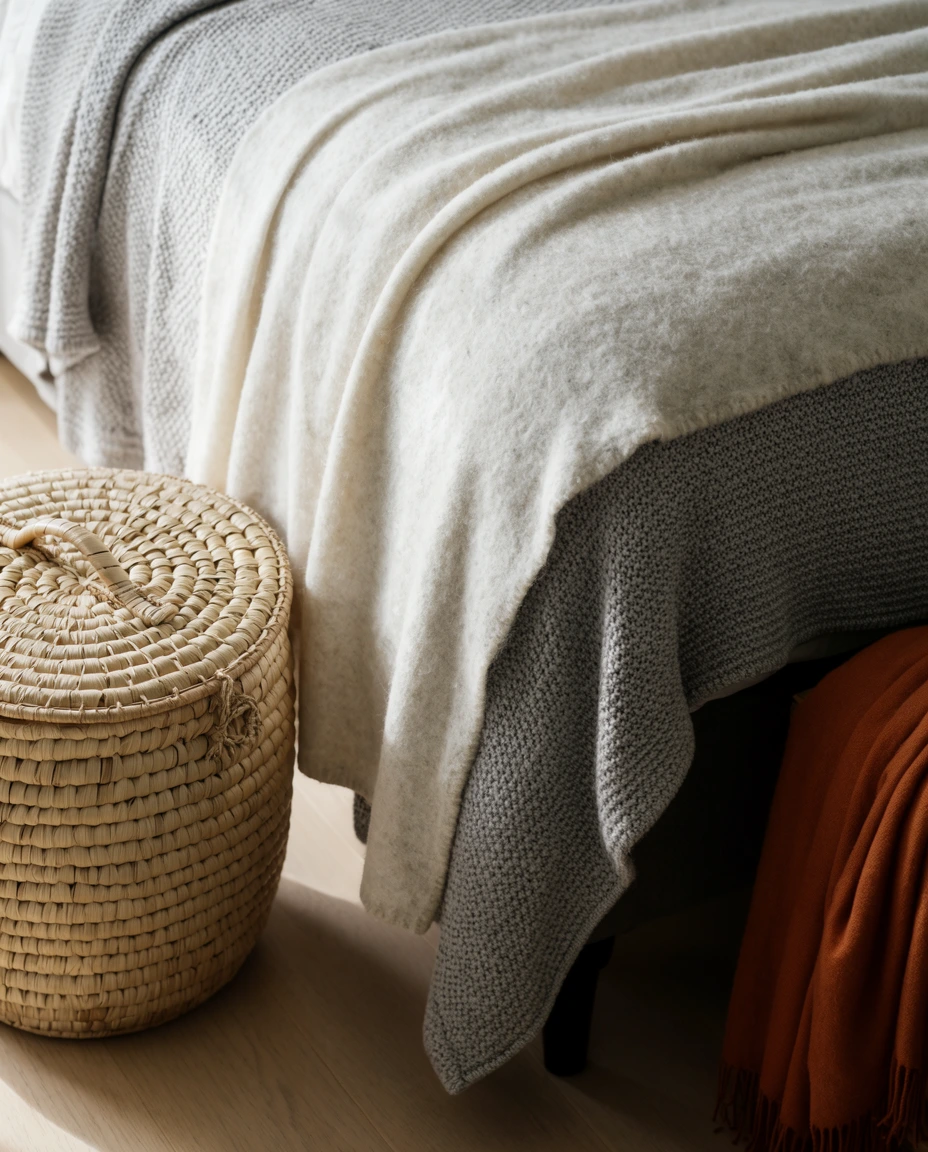
Stylists who work on seasonal home shoots often point out that layering fails when every textile matches too closely in color, since the eye needs contrast to register depth rather than a single flat block of beige. Mixing in one deeper tone, like rust or forest green, against a lighter base gives even a small collection of throws the appearance of a much richer, more considered layering scheme. This is also why a single patterned throw, used sparingly, tends to photograph better than an entire room full of matching solids.
14. Lantern Glow for the Porch
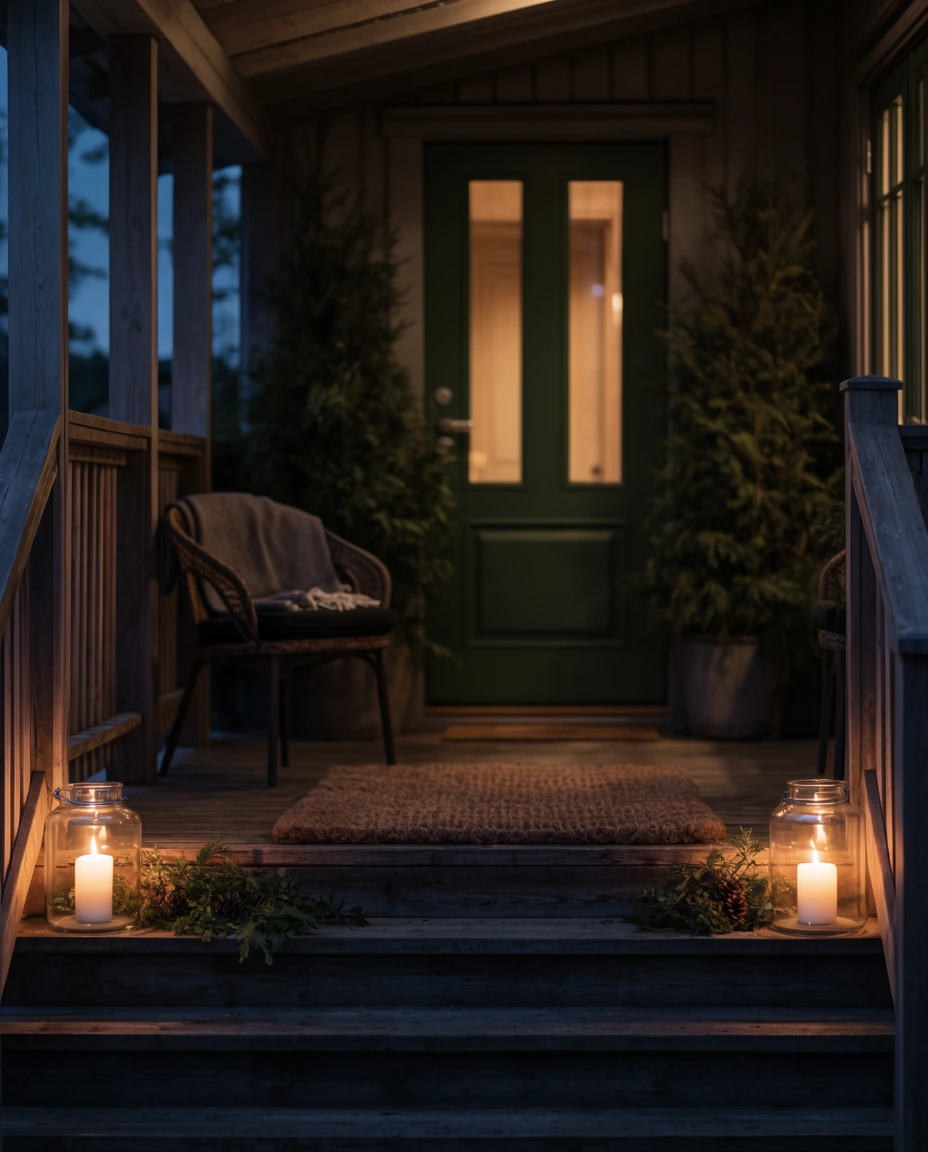
Lantern light brings a soft, flickering glow to the front porch that overhead fixtures can’t replicate, and battery or solar versions mean no wiring or outlet is required for an outdoor display. Grouping three or four lanterns of different heights along the steps or railing, mixed with a few natural elements like pinecones or dried eucalyptus, creates a cozy entrance that reads as intentional the moment a guest pulls into the driveway after dark. Solar versions recharge automatically during the day with no extra effort required.

A set of battery lanterns from a home goods store typically runs under thirty dollars for three, making this one of the more affordable porch upgrades available, especially compared to installing new exterior lighting or electrical work. Rechargeable versions cost more upfront but pay for themselves within a season or two of nightly use through the darkest, earliest-sunset months of the year. Many families treat the lanterns as a small yearly ritual, unpacking the same set every November and repacking them each spring.
15. Easy Winter Window Displays
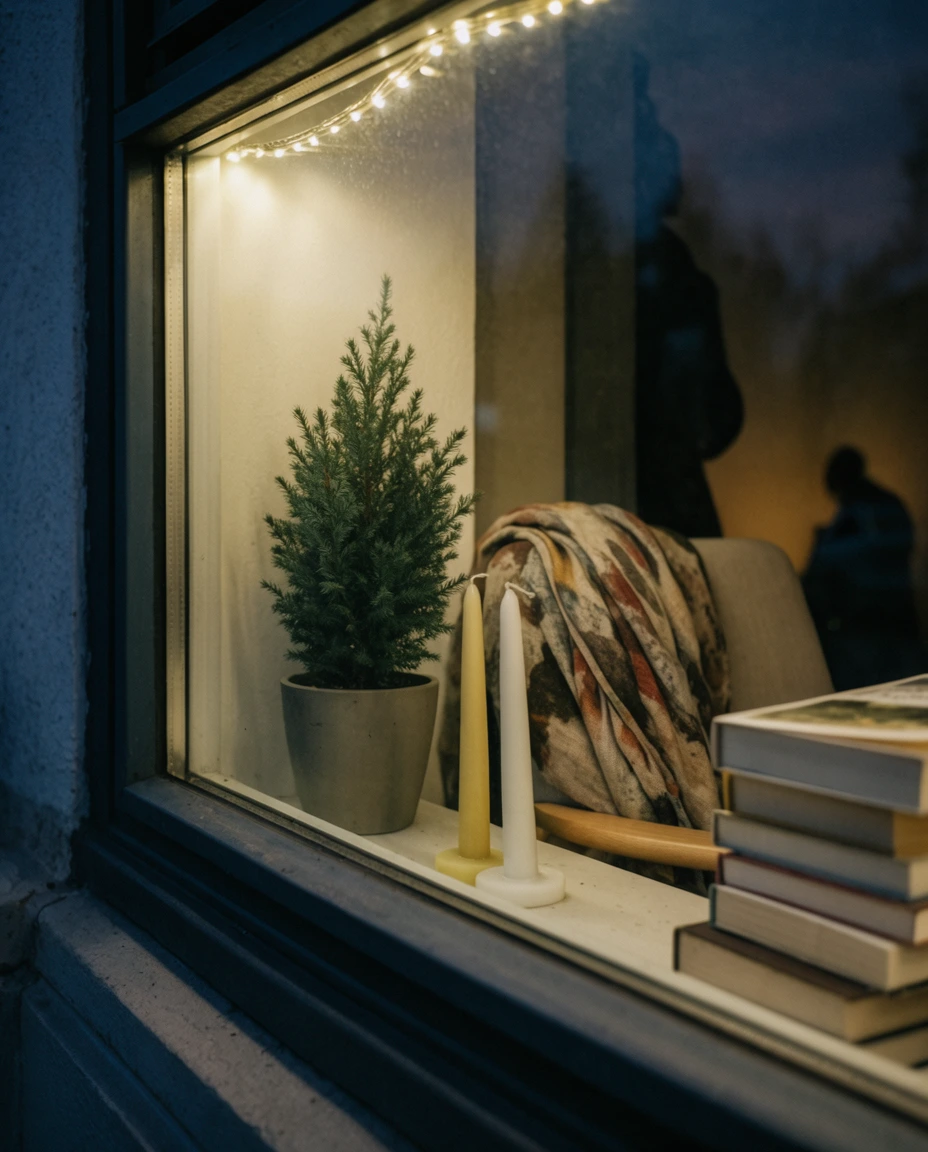
An easy window display for winter skips the sticker snowflakes in favor of a single garland draped across the top of the frame and a row of pillar candles along the sill. This simple approach works in nearly any room facing the street, since it reads clearly from outside after dark without requiring anything be attached to the glass itself, which matters most for renters who can’t alter a home they don’t own. A single strand tucked along the top edge, rather than covering the whole window, usually looks the most deliberate from the street.
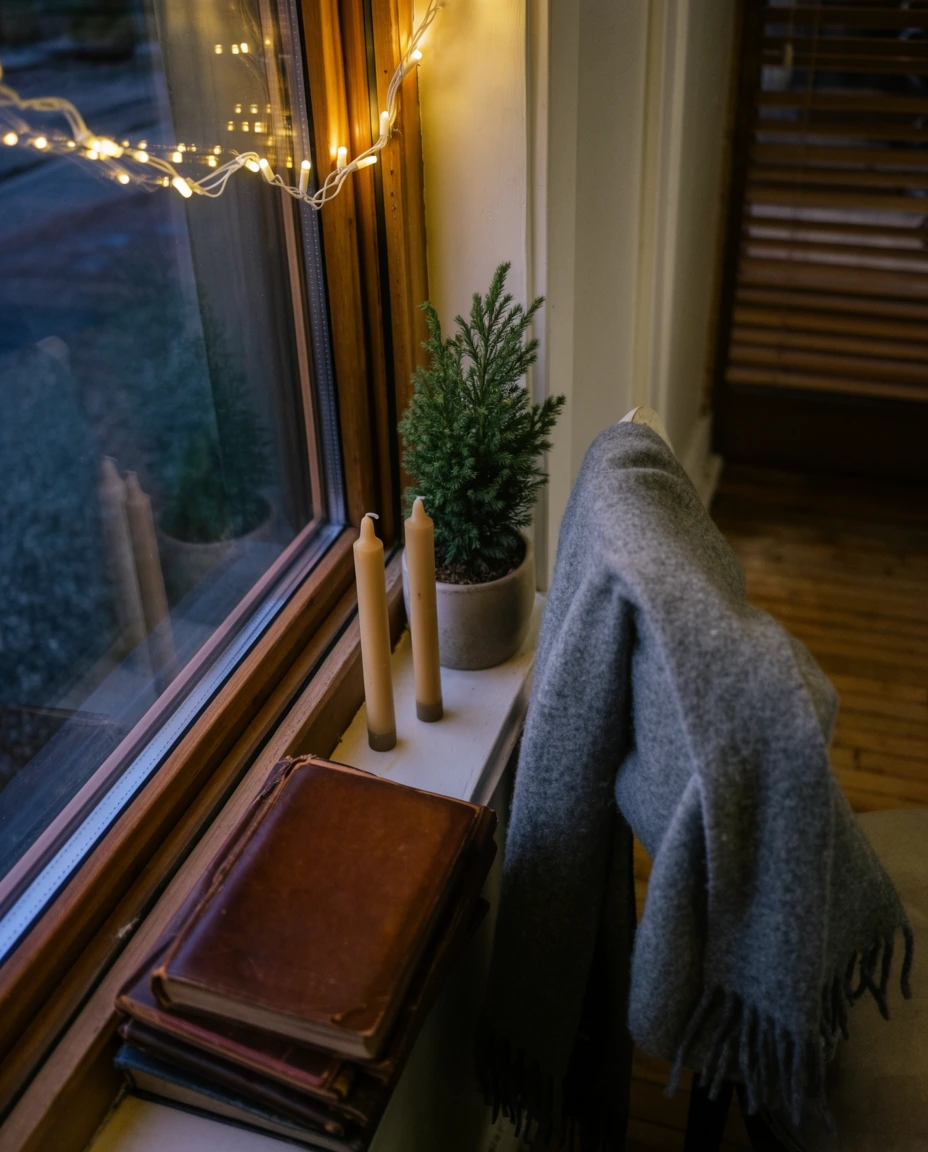
Homeowners who repeat this display every year tend to invest in one strand of quality LED string lights on a timer rather than replacing cheaper sets annually, since a good timer means the display turns on automatically at dusk without anyone remembering to flip a switch. That small habit is often what separates a display that runs consistently from one abandoned by the second week of the season. Renters in particular favor this approach, since nothing about it requires drilling into a frame or leaving marks behind at move-out time.
16. Farmhouse Touches for the Kitchen
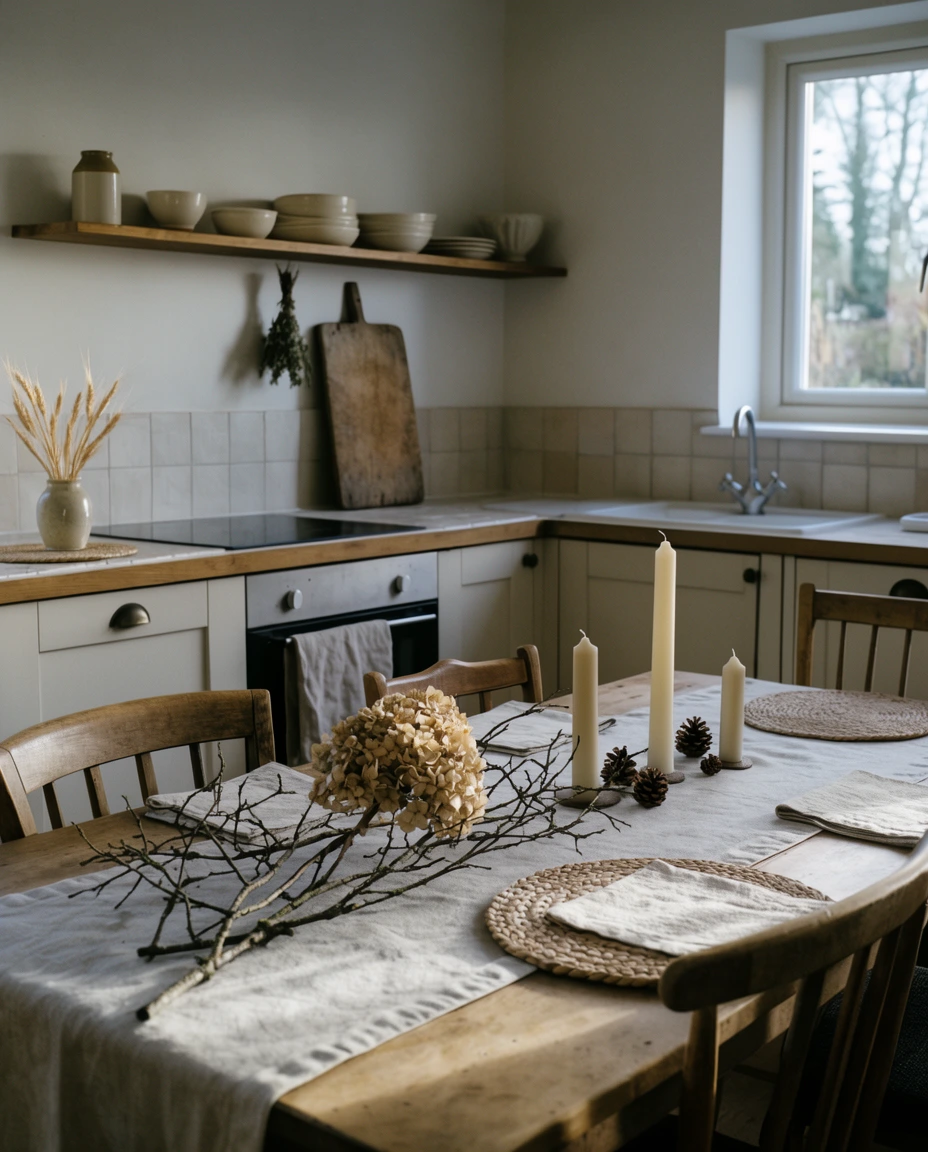
Farmhouse styling brings winter warmth into the kitchen through rustic wood cutting boards leaned against the backsplash, a stack of cream-colored dishware, and a bundle of dried herbs hanging near the window. These natural textures hold up to daily cooking better than delicate decor, which is exactly why this look remains one of the most practical winter choices for a home’s busiest room rather than just its prettiest one. A single open shelf works especially well for this, giving the eye a place to rest between the stove and the sink.

The mistake many people make is overloading open shelving with decorative objects until there’s no longer room for the dishes actually used every day, turning a working kitchen into a display case that gets rearranged around at mealtime. Keeping decor to the counter edges and window sill, rather than the shelves in daily use, solves this without sacrificing the look this style is known for. A weekly five-minute tidy of the shelf, done at the same time dishes get put away, keeps the balance from tipping too far either direction.
17. Rustic Winter Dining Table
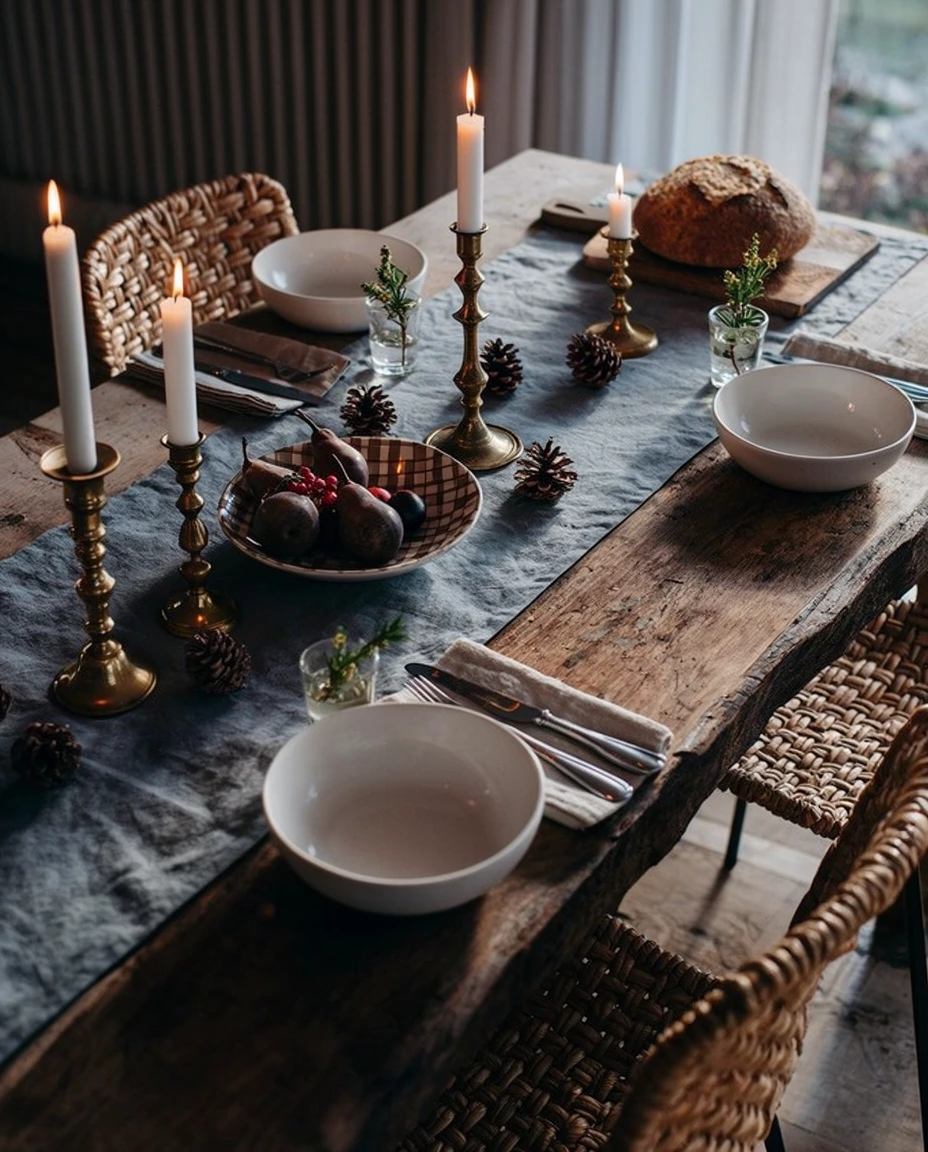
A rustic dining table set for winter pairs a raw or reclaimed wood surface with natural linen napkins, a scattering of pinecones, and a few mismatched vintage candlesticks down the center of the runner. The look stays simple on purpose, since a table used nightly by a busy home needs to be cleared and reset quickly rather than styled like a photo shoot that never actually gets touched by anyone eating dinner there. Linen in particular softens with every wash, which only improves how it drapes across the table over time.
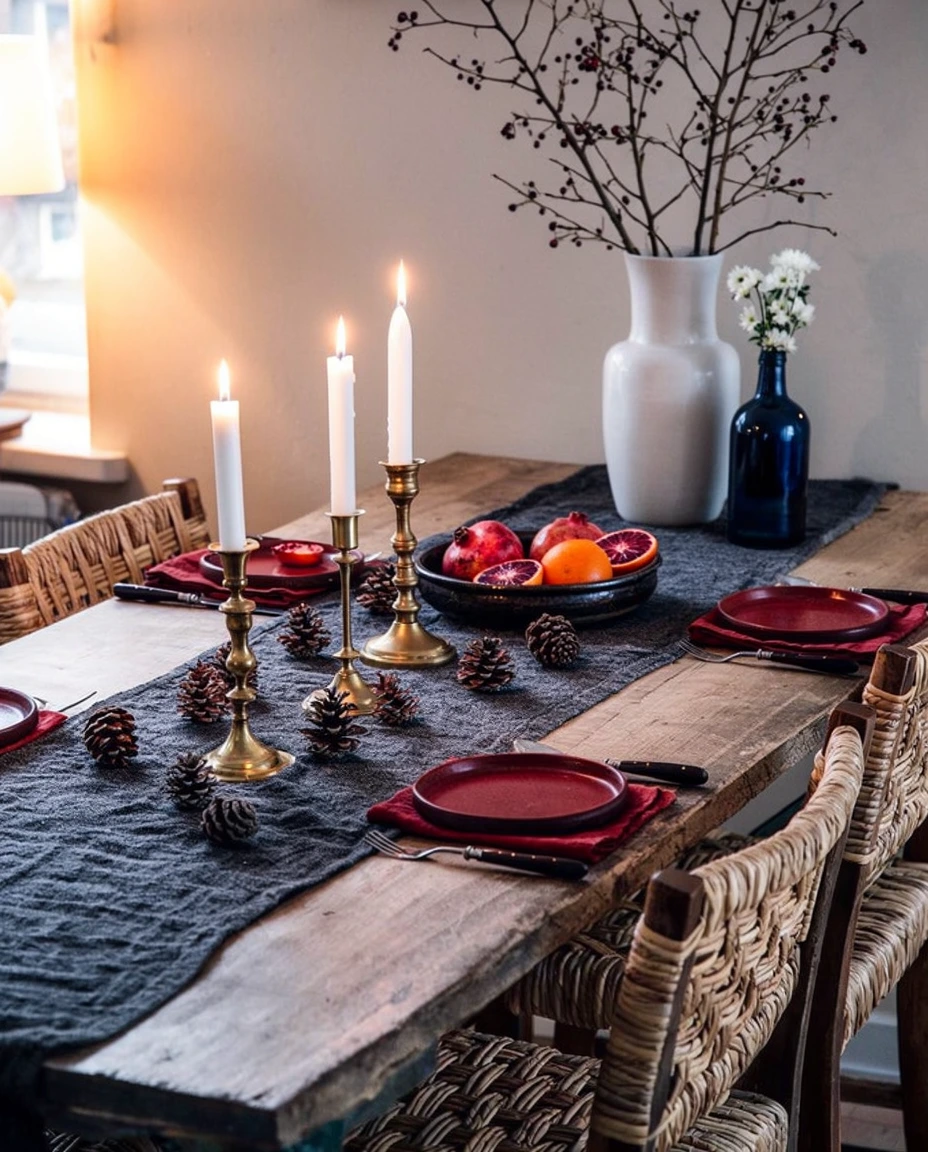
Choosing candlesticks in varying heights rather than a matching set instantly makes a table runner look more layered without adding a single extra object, and unscented candles are worth the small extra cost at a table where food is actually being served. A washable table runner also holds up far better through a full season of nightly dinners than one meant purely for display and occasional holiday guests. Buying one extra set of napkins in a slightly different weave also gives the table more visual depth without adding real cost.
18. Building a Reading Nook for Winter

A winter reading nook turns an underused corner of any room into the most-used seat in the home, built from little more than a comfortable chair, a floor lamp with warm bulbs, and a basket for extra blankets. The simple formula — good light, a soft surface, something within arm’s reach for tea — is what makes the space feel genuinely cozy rather than just decorative, and it rarely requires buying new furniture to pull together. A small side table within reach for a mug or a stack of books completes the setup without crowding the chair.

This kind of nook gets heavier use in regions with long, dark winters, where sunset arrives before five in the afternoon for months at a time and indoor comfort matters more than in milder climates. An easy way to test the spot before committing furniture to it is to spend one evening reading in a few different corners and noting which one actually gets used again the next night. Some families rotate the nook seasonally, moving the chair closer to a window in winter and back toward a shadier corner once spring arrives.
19. Winter Display for School Hallways

A school hallway display for winter gives students something communal to look at between classes, usually built around a simple paper-craft theme like snowflakes or mittens that every classroom can contribute to. Because dozens of students touch and pass by the display daily, the sturdiest versions use cardstock and laminate rather than tissue paper, making the whole project an easy one for a single teacher or a small parent volunteer group to maintain year after year without much added cost or effort.
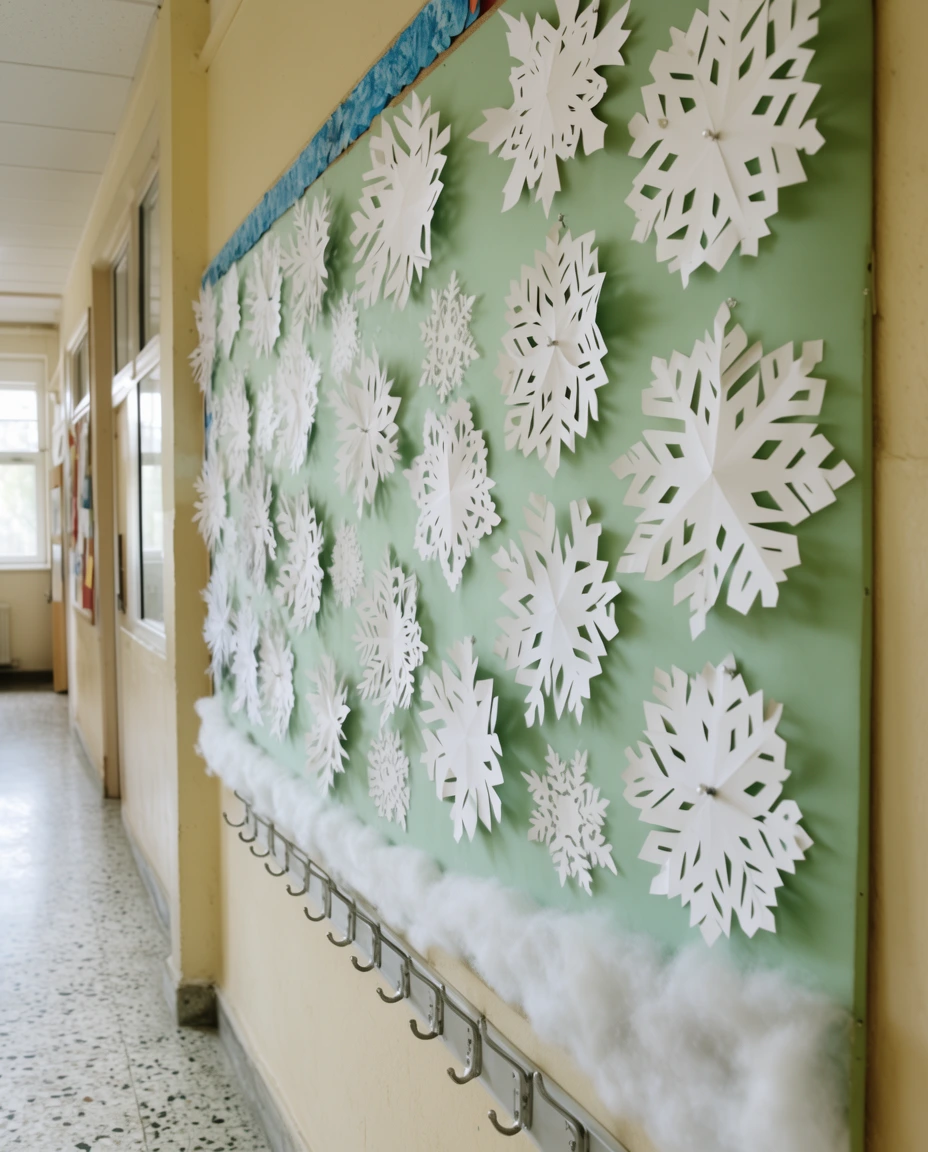
One elementary school in Ohio has run the same rotating hallway display for eleven years, changing only the featured grade level each month, and the tradition has become something alumni mention when they visit years later. A display doesn’t need to be elaborate to become a genuine fixture of the building; consistency over time does more than any single elaborate installation put up just once. Former students often say the hallway is one of the clearest memories they carry from those early school years, long after the lessons themselves fade.
20. Wreaths Without the Christmas Theme

A wreath that’s not christmas in theme swaps red bows and ornaments for dried citrus, eucalyptus, or plain evergreen left unadorned, letting it hang comfortably from January through the last cold weeks of the year. This natural, simple approach gives a front door a genuine winter aesthetic instead of a strictly holiday one, so there’s no rush to take it down the moment the calendar flips to a new year. Dried orange slices threaded through the greenery add color without pulling the wreath back toward anything overtly festive.
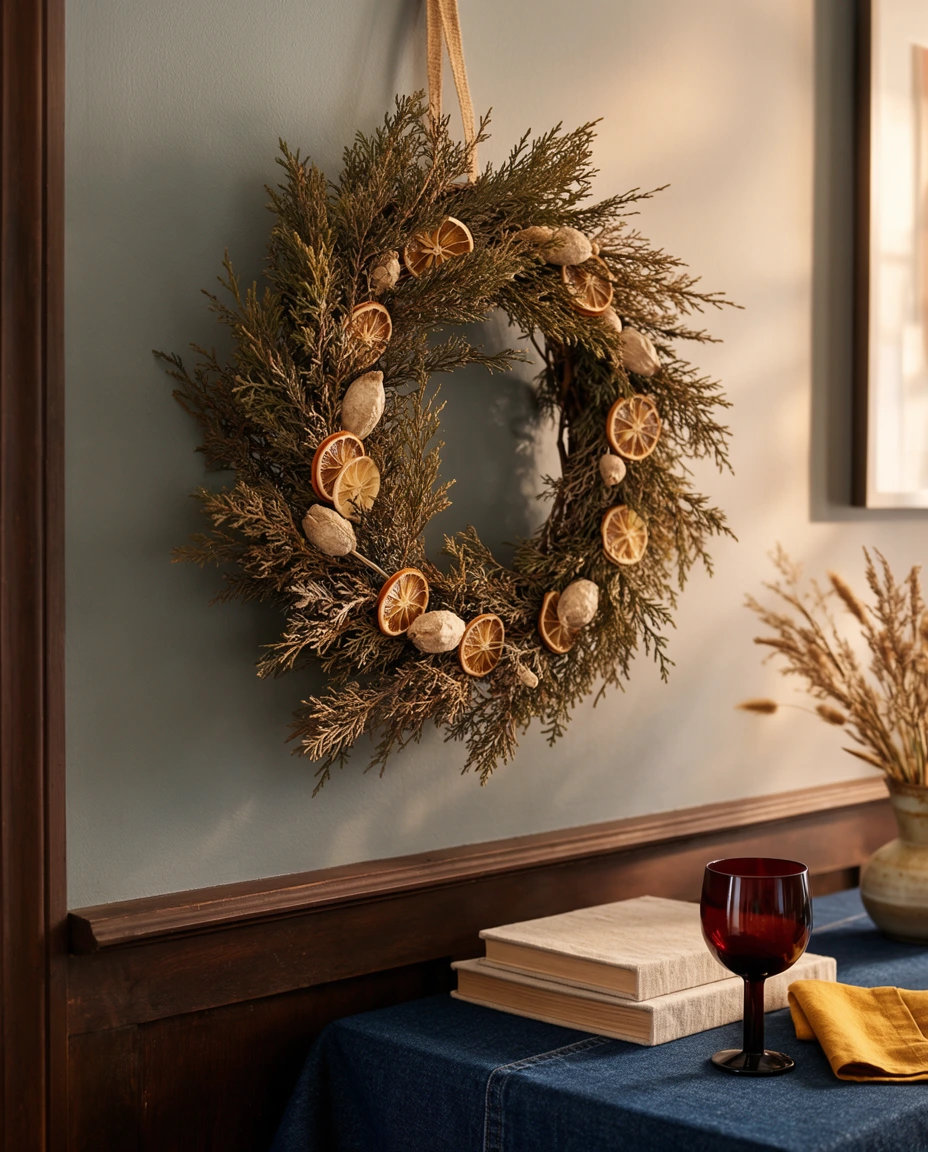
This style works best on doors in neighborhoods where homes stay visibly decorated well past the holidays, since a neutral wreath reads as intentional winter styling rather than someone simply forgetting to take down Christmas decor. It’s an easy way to keep a front door welcoming for the two or three additional months winter still has left to run. Wreaths built this way also tend to last through several winters with proper storage, since there’s no fragile ornament or ribbon to replace before the next season begins.
21. Candlelight in the Living Room
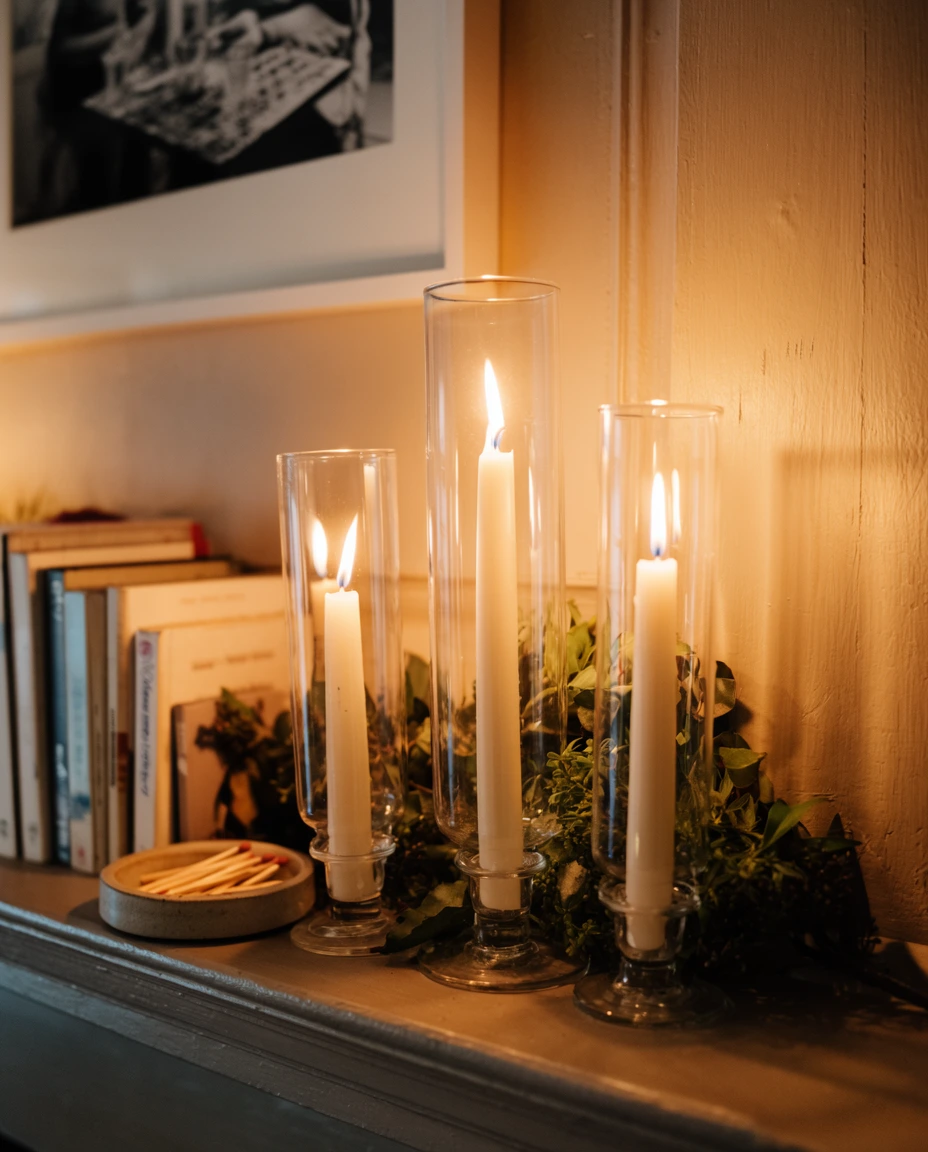
Candlelight remains one of the fastest ways to make a living room feel cozy the moment the sun sets before five o’clock. A simple grouping of pillar candles on a tray, paired with the overhead lights turned off entirely, changes the entire mood of a home without moving a single piece of furniture or spending more than the cost of the candles themselves, which is part of why the look repeats every winter. Unscented candles are worth seeking out here too, since a heavily scented room can quickly feel overwhelming rather than relaxing.
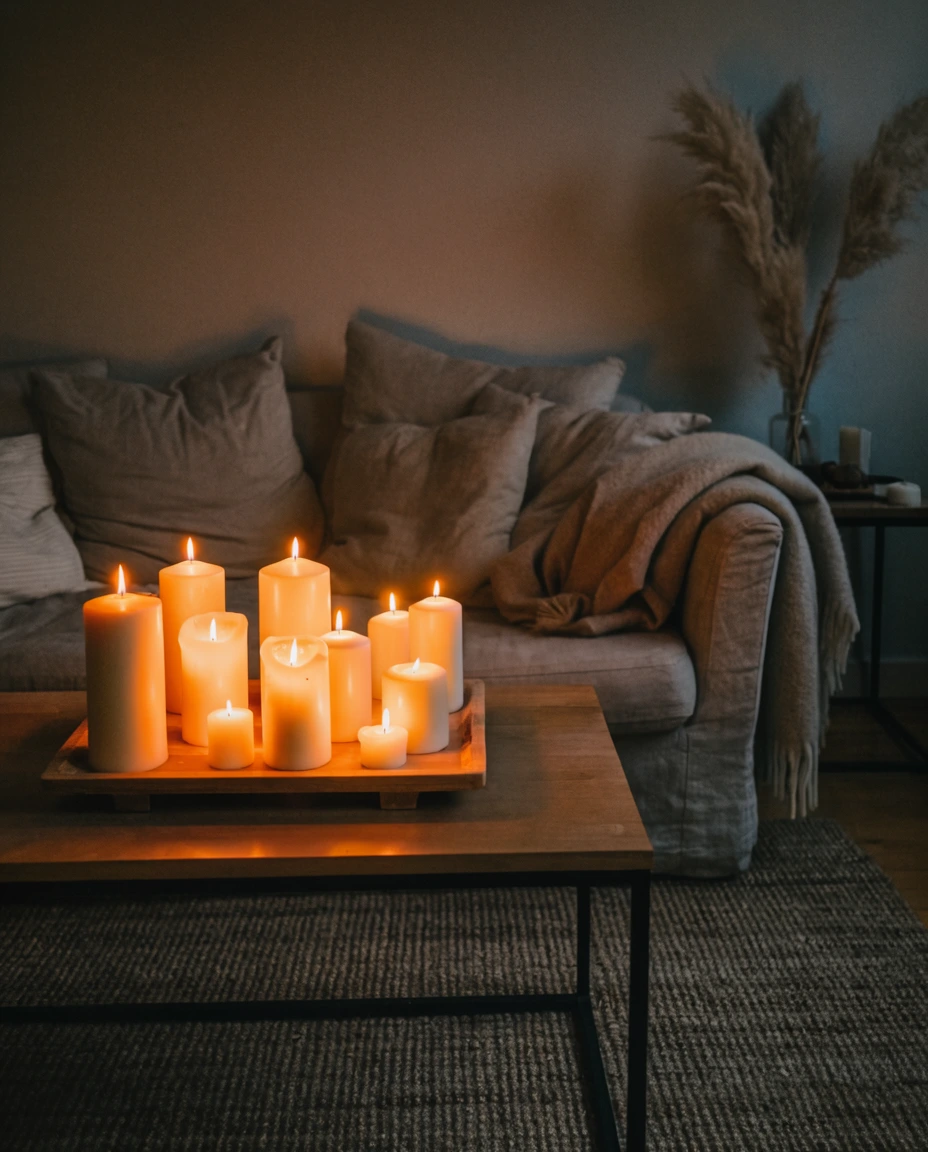
Lighting designers who work on residential projects often say candlelight succeeds because it sits at a lower, warmer color temperature than nearly any bulb sold for a living room, closer to true firelight than most people realize. Grouping several candles of varying heights together, rather than spacing them evenly apart, also mimics the natural, uneven flicker of a real fireplace even in a home without one. A dimmer switch paired with just a few candles nearby extends that same warm effect to nights when candles alone aren’t quite enough light.
22. Simple Front Porch Glow
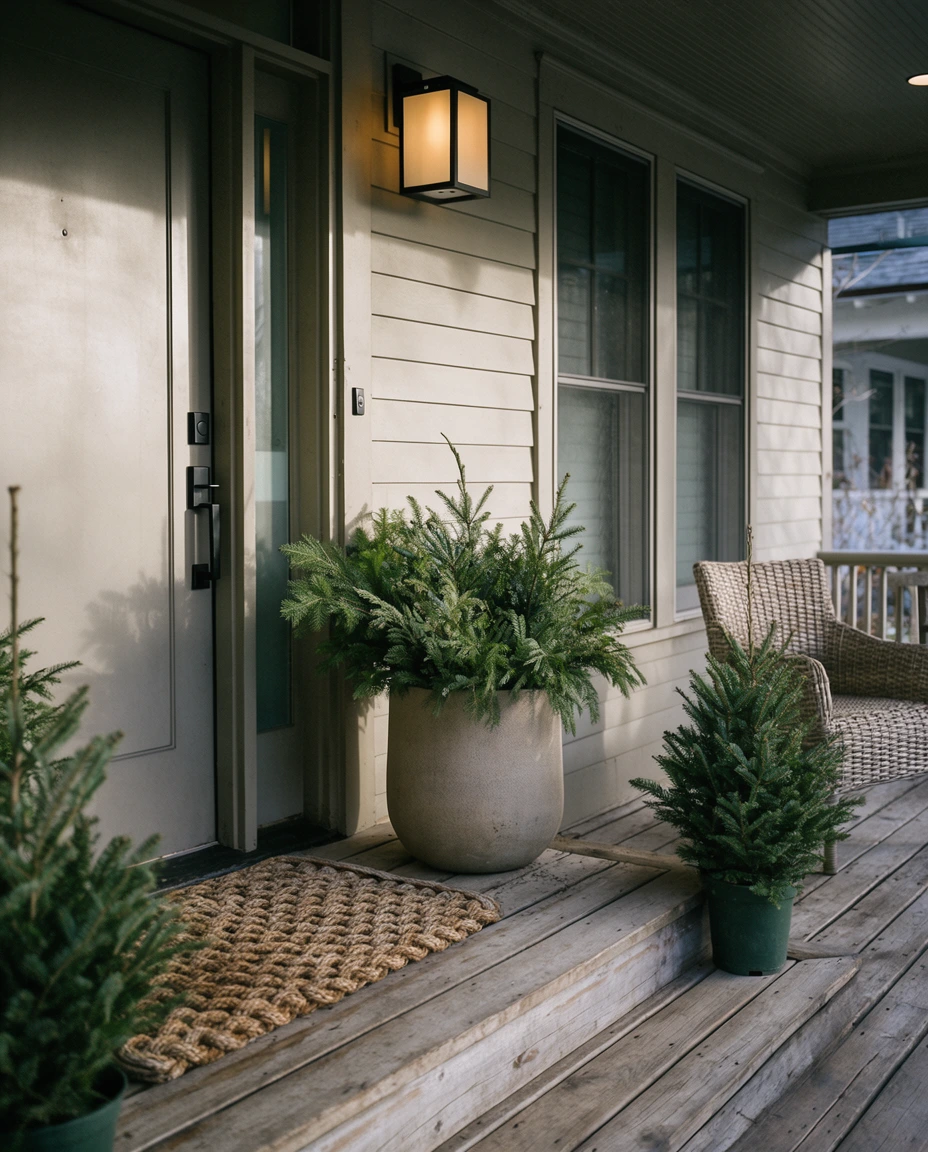
A simple front porch refresh for winter often comes down to just three elements: warm lighting, one substantial outdoor planter filled with evergreen clippings, and a doormat in a heavier, more weatherproof material than the one used all summer. This kind of understated natural styling holds up through snow, wind, and salt-tracked boots far better than anything delicate would survive on a working entryway through a full winter. Fresh greenery also holds its color far longer outdoors in freezing temperatures than it would indoors near a heat vent.
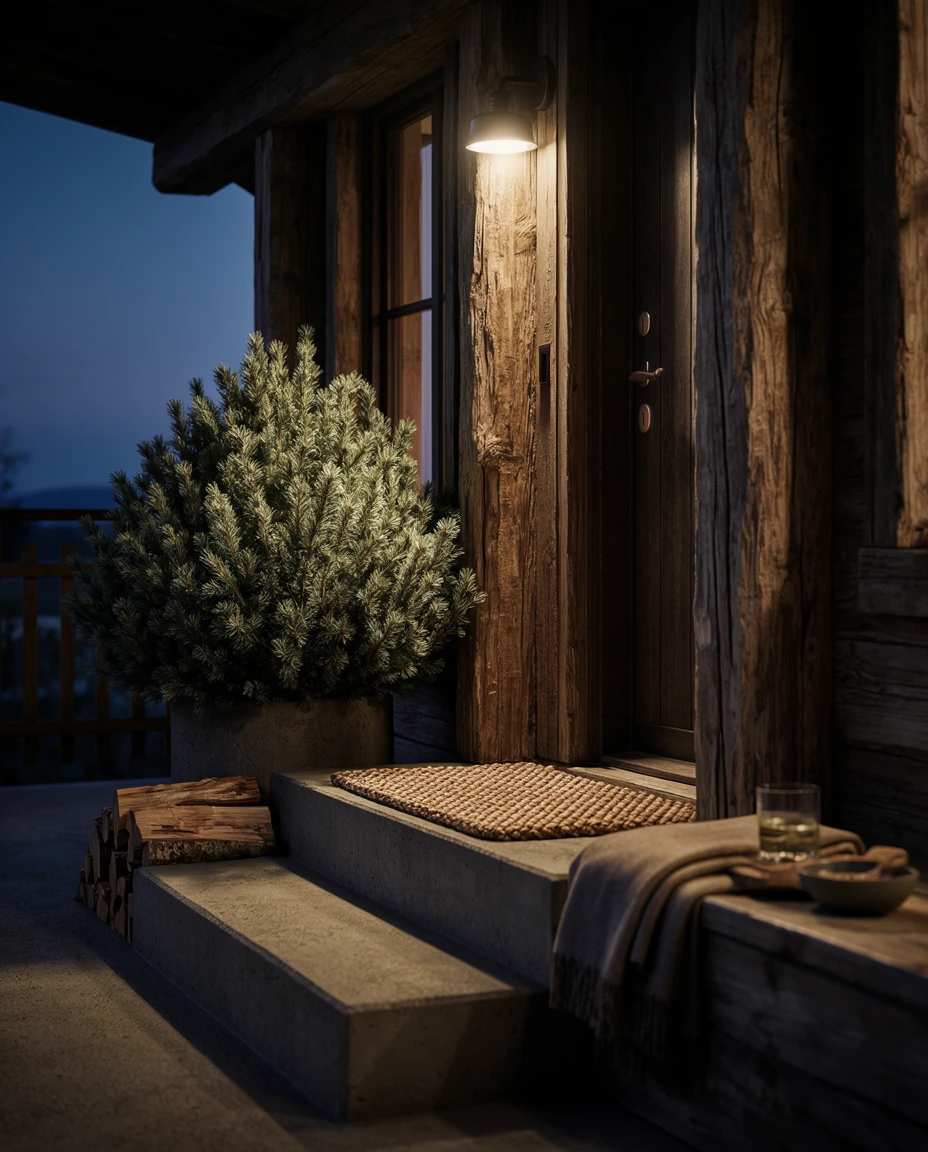
A single evergreen planter arrangement from a local nursery typically costs between twenty and forty dollars and lasts the entire winter with no watering required, making it one of the better returns on investment for anyone wanting their home’s exterior to look finished without a large seasonal budget. Swapping just the doormat and porch lighting rounds out the refresh for well under a hundred dollars total. Buying the planter already arranged from a nursery, rather than assembling one from separate stems, is usually the faster and tidier route.
Winter decorating is ultimately personal, and the best rooms borrow a little from several of these directions rather than following just one. Readers are always welcome to share their own winter styling wins, favorite thrifted finds, or questions about pulling off any of these looks in the comments below.